Coastal touring on a paddle board is the slow way to see a stretch of shore the yacht would only motor past. From an anchorage in the Grenadines in December, or off the sheltered west coast of Mauritius, a morning along the coast shows you reef edges, small beaches and fishing boats at eye level. Fitness has surprisingly little to do with it. The trips that go well have a route the crew knows about, a set time to turn round and a lee shore to follow.
Plan the route on the chart first
Look at the chart and the forecast together before anyone inflates a board. Choose the lee shore, where the land breaks the trade wind and the water stays flat, and plan to paddle into whatever breeze there is on the way out. Coming home with the wind behind you is far easier on tired arms than fighting it at the end of the morning.
Then mark the things that change the plan: reef edges, headlands where the wind bends and speeds up, moorings, swimming areas and the channels used by tenders and dive boats. A headland that looks close from the deck can hide a very different sea on its far side, so treat it as the end of the route unless someone has been round it that day. Rules on where paddlers may go differ from place to place, especially inside marine parks, so check them with the yacht's agent or the local harbour office.
Finally, tell the crew. The captain or whoever is on watch should know the route, who is going and when you expect to be back alongside.
What goes on the board
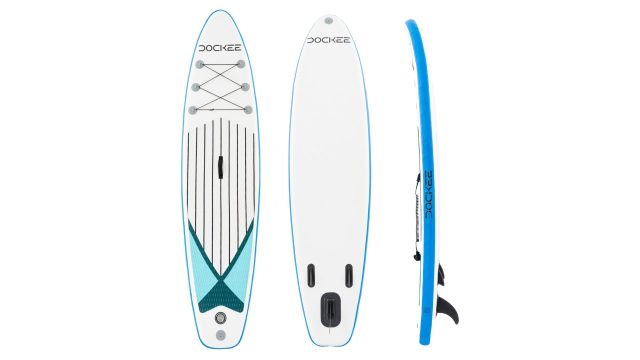
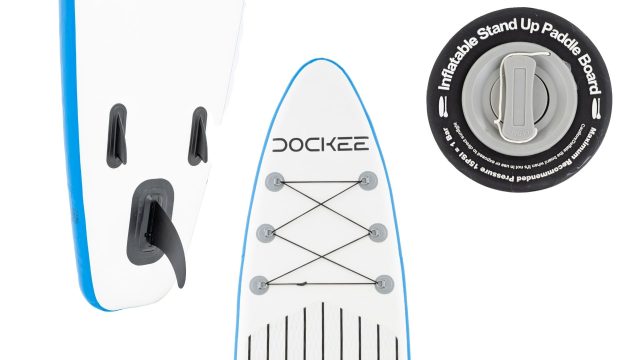
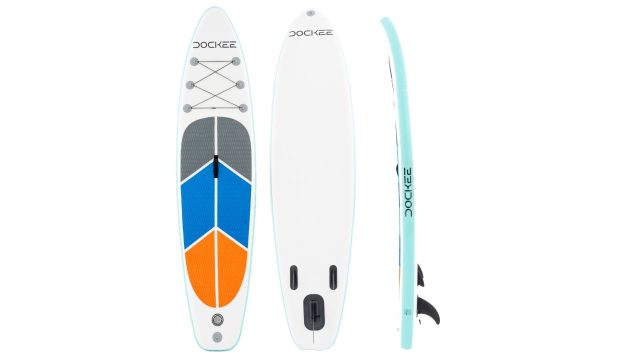
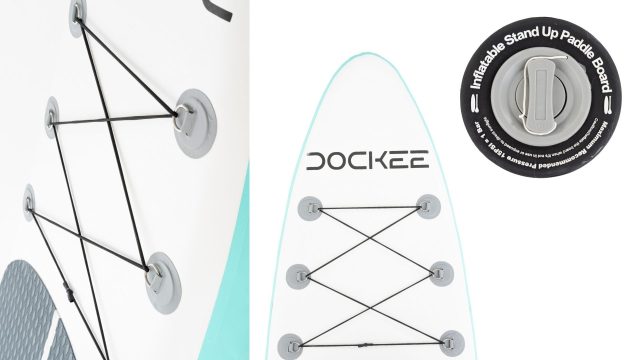
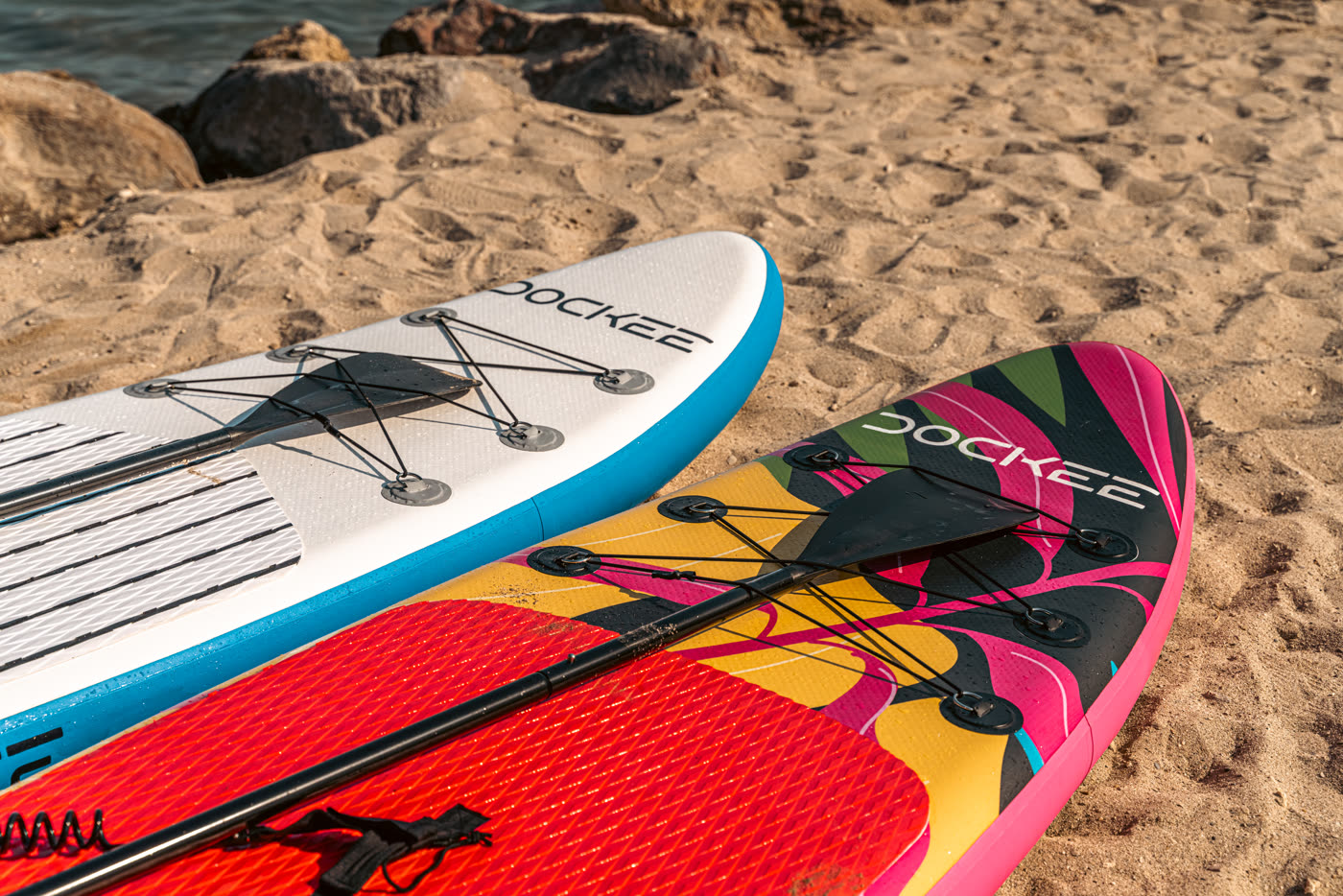
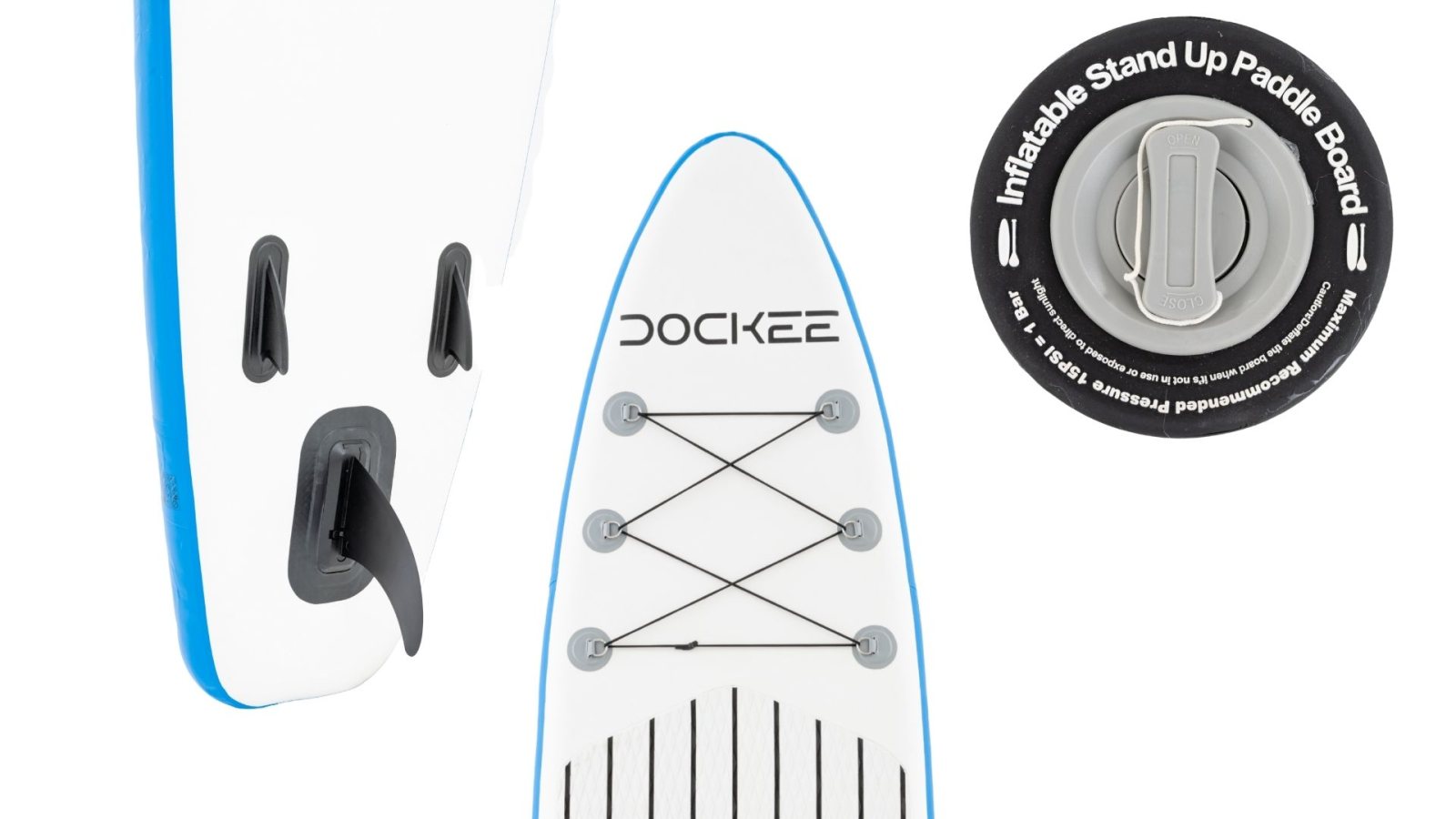
A touring board needs room for kit without turning into a cargo raft. The Mariner 10’6” SUP Paddle Board and the Vortex 10’6” SUP Paddle Board share the same 320 x 80 x 15 cm shape, a length meant for light touring and relaxed coastal sessions, with a textured deck pad, a bungee storage area and reinforced D-rings for a leash, a seat or extra kit. Both roll down to 86 x 36 x 26 cm, so a pair takes up very little of the toy locker.
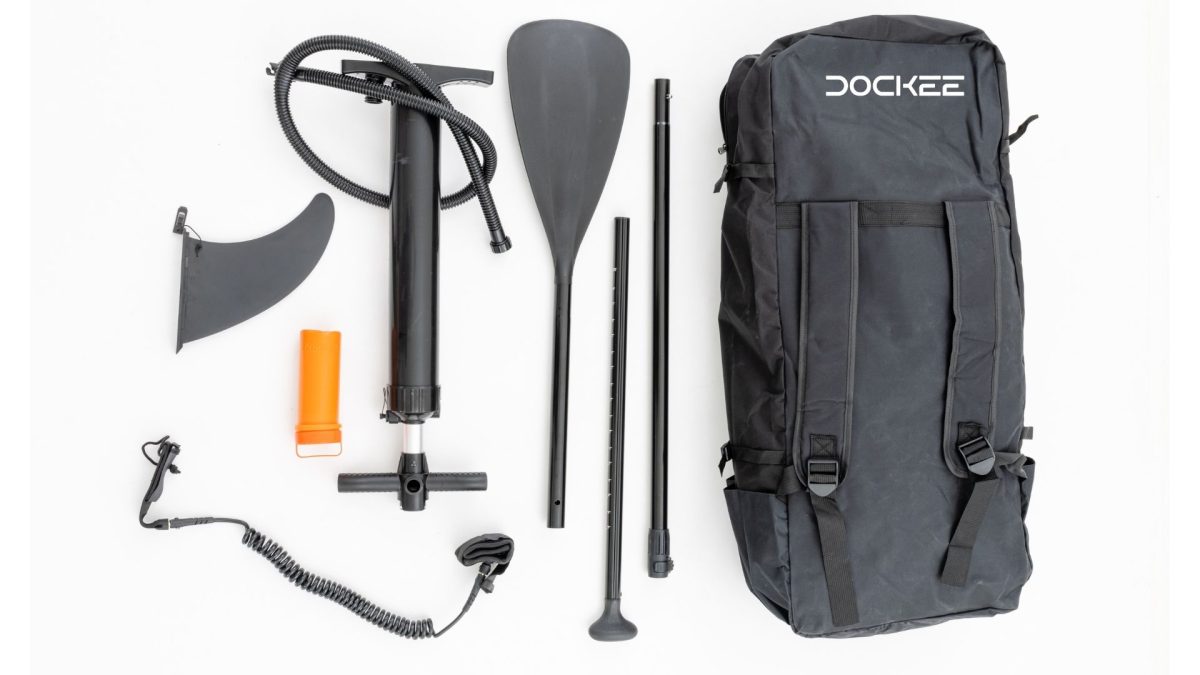
Under the bungee, a short list does the job: a handheld radio or a phone in a waterproof pouch, drinking water, a light layer against the wind and reef shoes if you plan to land. Clip a small dry bag to a D-ring rather than trusting the bungee alone. Wear the leash on every trip, because a board blown away from a swimmer moves faster than anyone can swim after it. Add a buoyancy aid for anyone who is not a strong swimmer, and sun protection for everyone, since there is no shade out there and the light comes back off the water.
If guests of mixed experience will share the boards, the full SUP board range is the place to compare deck pads and fittings before the locker is packed.
Out, back and the turnaround time
On the water the routine stays the same, whether the trip is a lap of the bay or a longer run down the coast:
- Agree the turnaround time with the crew before you leave, and turn at that time even if the next beach looks close.
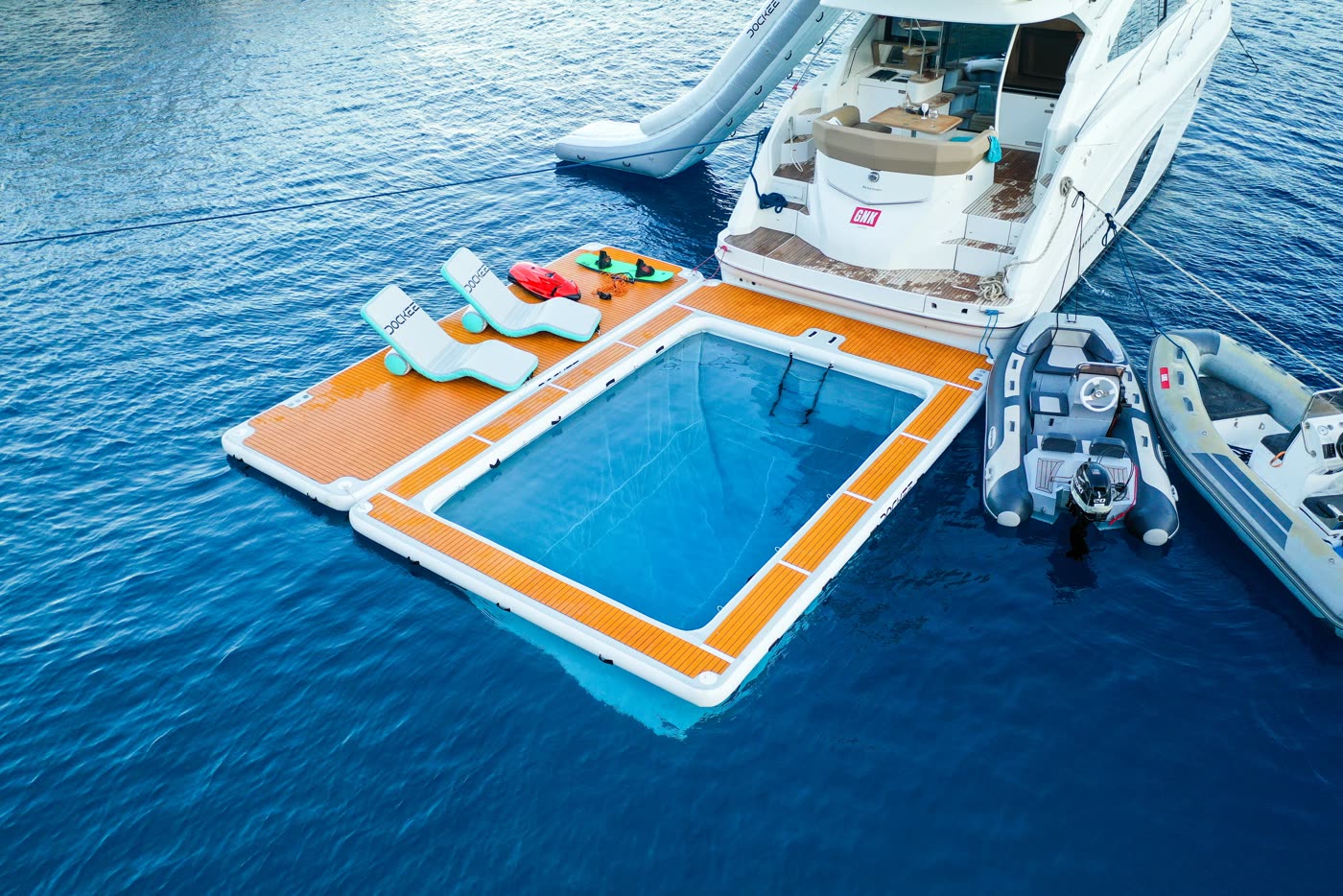
- Launch from the swim platform with the engines and thrusters off, and paddle clear of the stern before standing up.
- Head out into the breeze along the lee shore, keeping clear of swimmers, moorings and the routes the tenders take.
- Stay together. The slowest paddler sets the pace, and the group stops whenever anyone needs a rest.
- Check in by radio or phone at the halfway point, and whenever the plan changes.
- Turn back early if the wind builds, dark patches of gusts start crossing the water or anyone is tiring; kneeling lowers the windage and keeps the board moving.
- Come alongside slowly, hand the paddles up first and rinse boards and kit with fresh water before they go back in the locker.
Of all of these, the turnaround time matters most. Tiredness and wind both arrive on the way home, so the time you set is the real limit of the route, whatever beach you hoped to reach. Be honest about the group, too. A guest who paddles happily in a calm bay may struggle with a cross breeze off a headland, and the plan should suit them rather than the strongest paddler aboard. The rest of the routine around the stern, from lines to launching, is in the safe use section of our buying guide.