Shade at a hot anchorage comes from three places: shade you bring onto the water, the shadow the yacht already casts, and a day planned so nobody is lying in open sun at midday. On a winter charter in the Andaman Sea or the southern Caribbean, guests want to be in the sea from breakfast to sunset, and a little planning keeps them there without burning.
Why midday is the hardest hour
Around the middle of the day the sun is at its highest, the water throws its glare back at anyone lying on it, and there is no shadow anywhere on an open deck. Guests who were happily swimming at breakfast start drifting back aboard in search of air conditioning. Sun cream helps, but a lounger in full sun at that hour is uncomfortable for anyone, and children and fair-skinned guests feel it first. The answer is not to keep guests out of the water, which is why they came, but to give them shade within a few strokes of it.
Shade you can bring onto the water
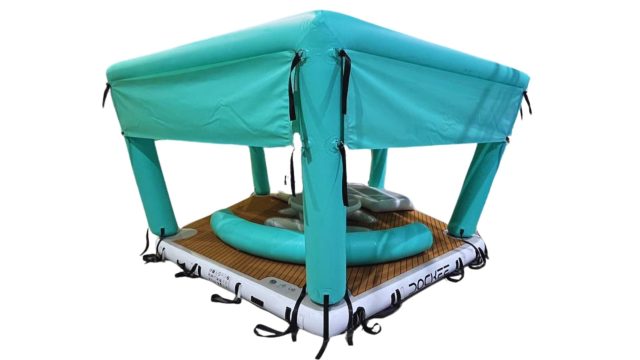
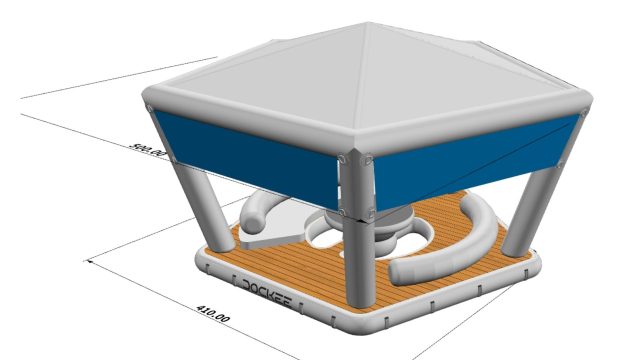
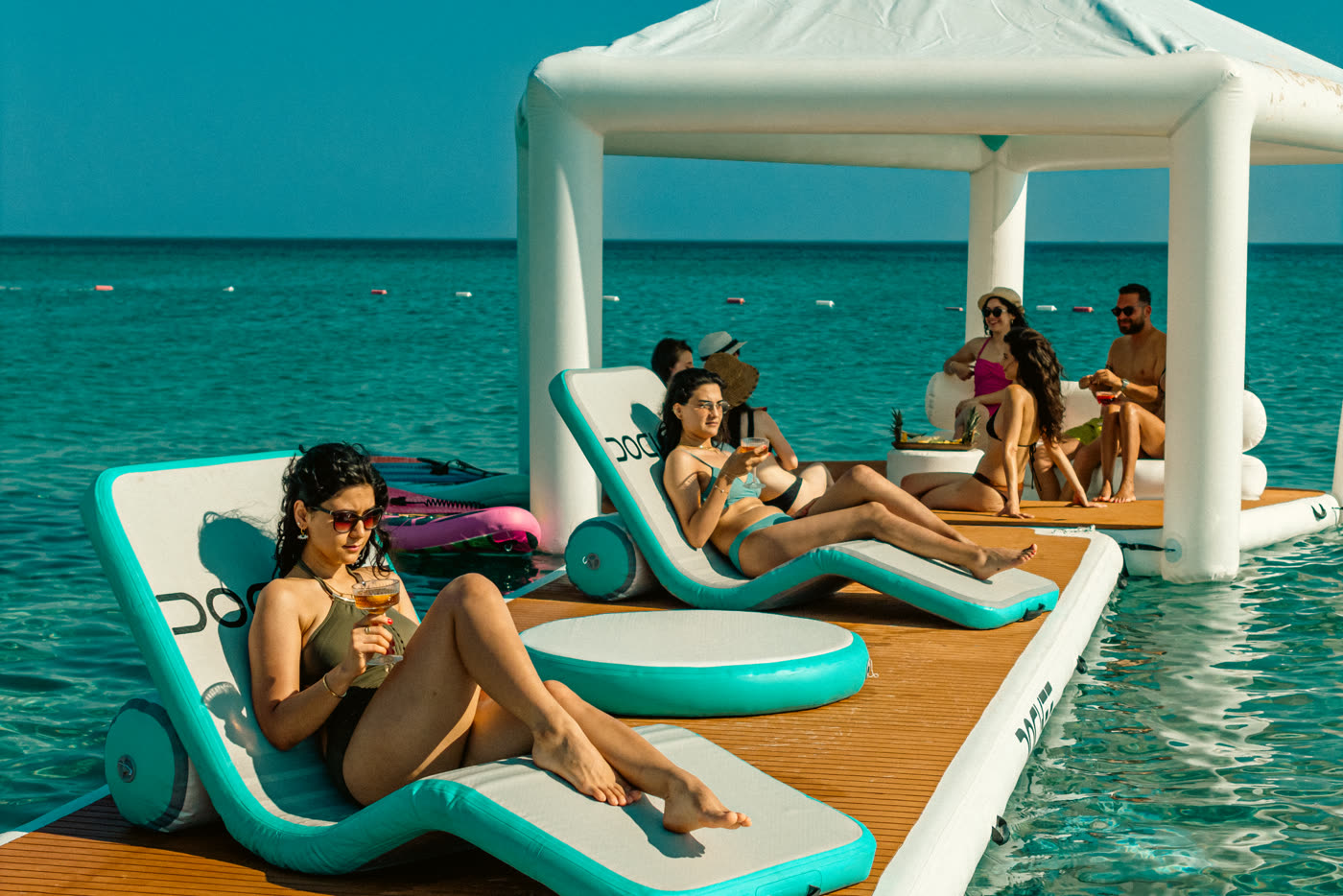
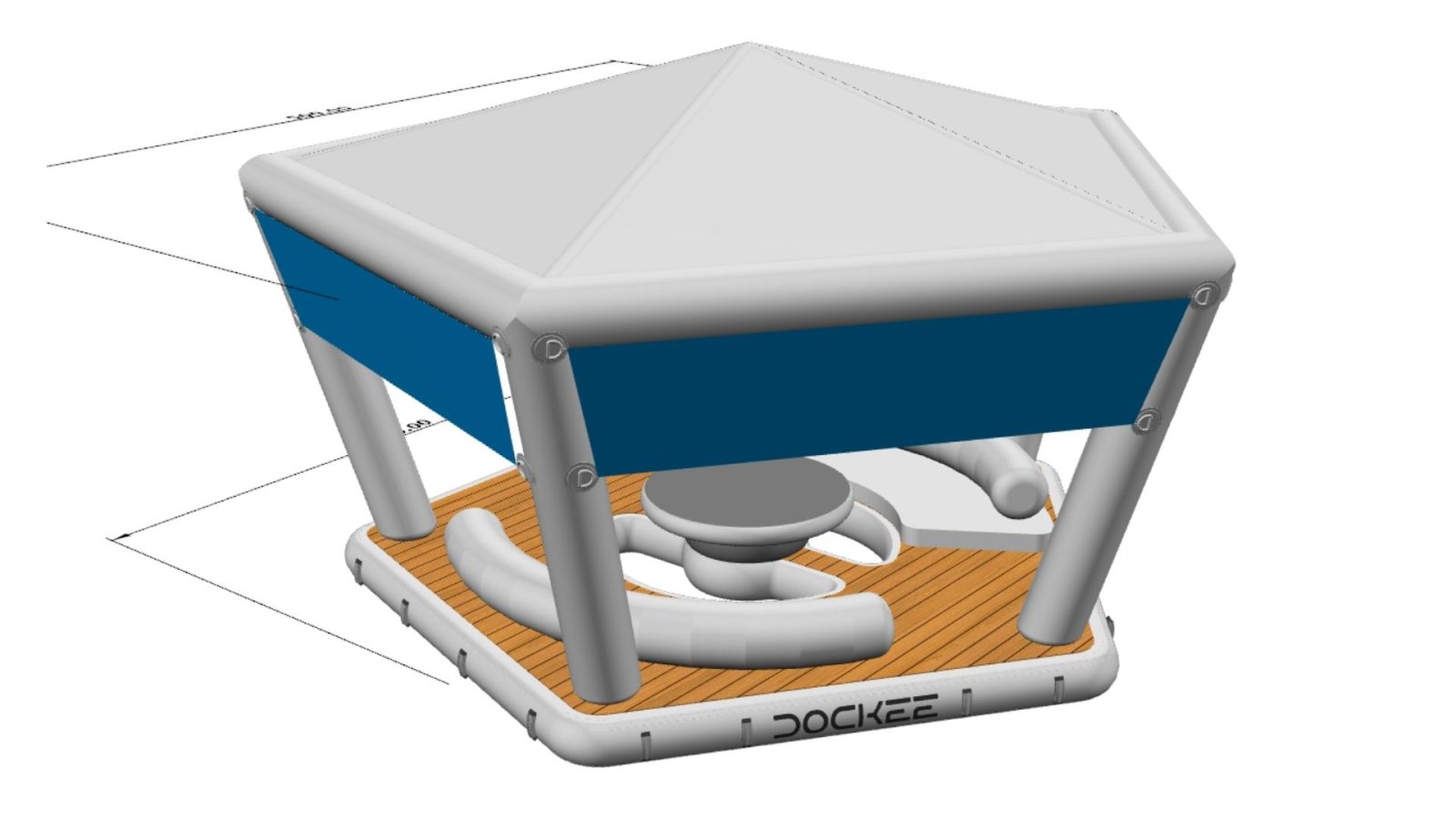
The simplest answer is a lounge with its own roof. The Prestige Lounge pairs a 410 by 355 cm floating base with an optional tent of 500 by 430 cm, so a group can sit in the shade a step away from the sea. It packs into two bags, 90 by 48 by 48 cm for the platform and 100 by 60 by 53 cm for the tent, which is worth knowing when you decide where it lives on board.
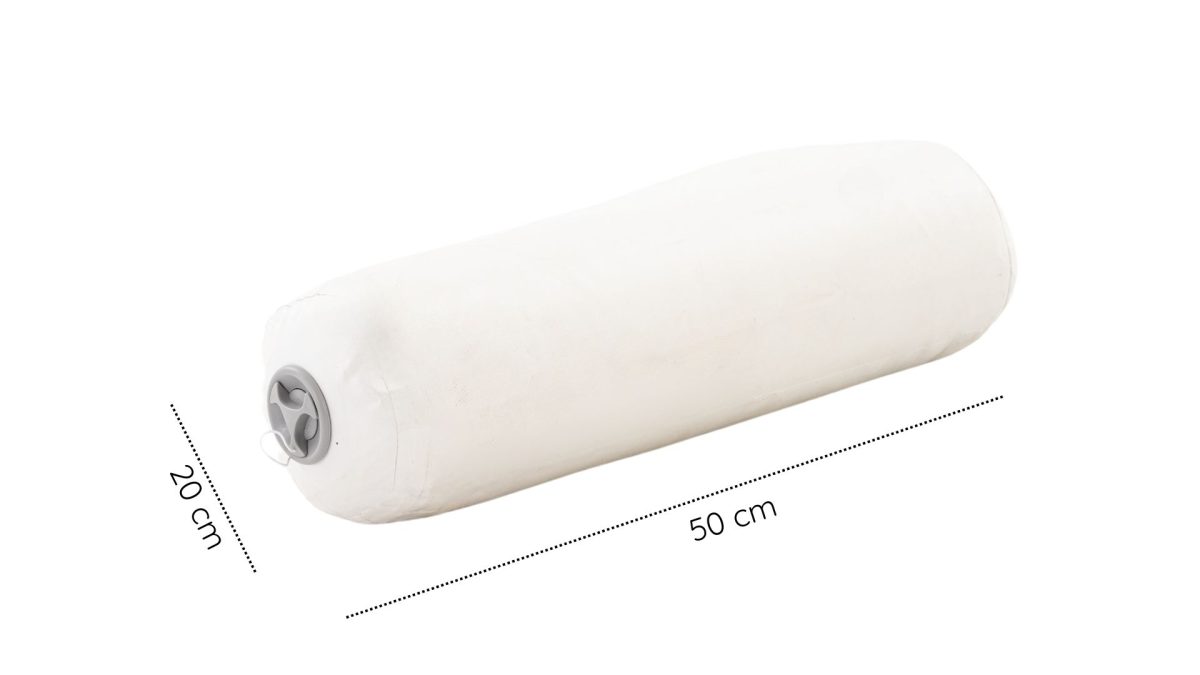
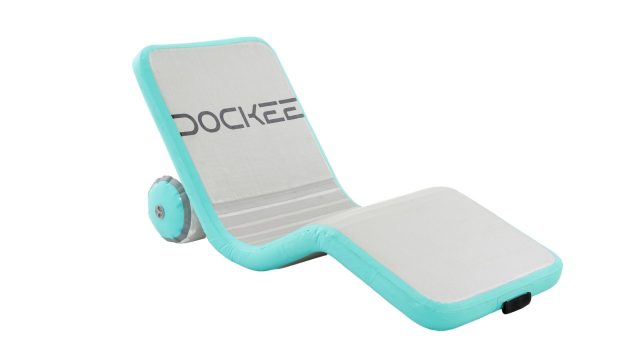
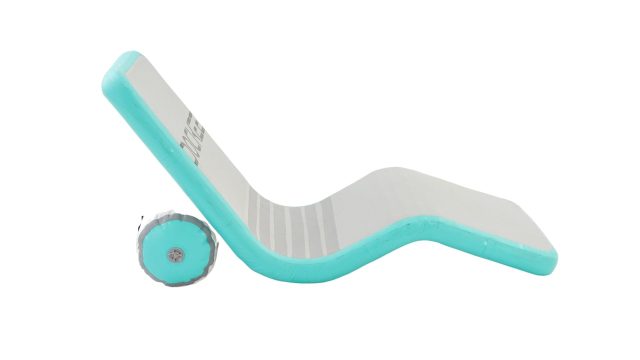
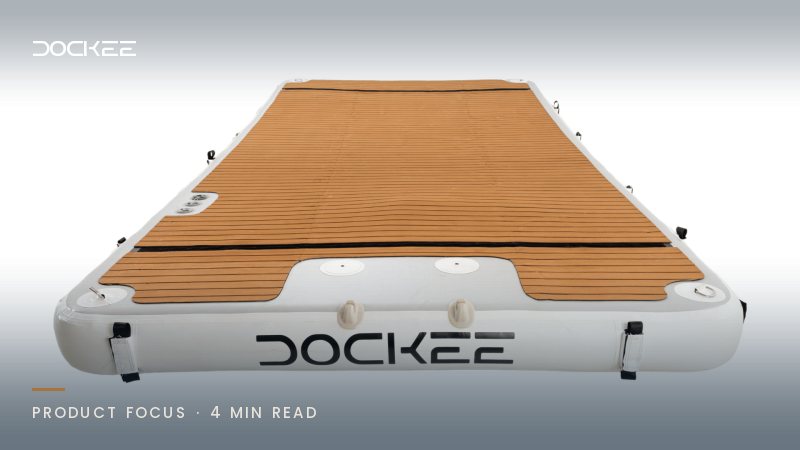
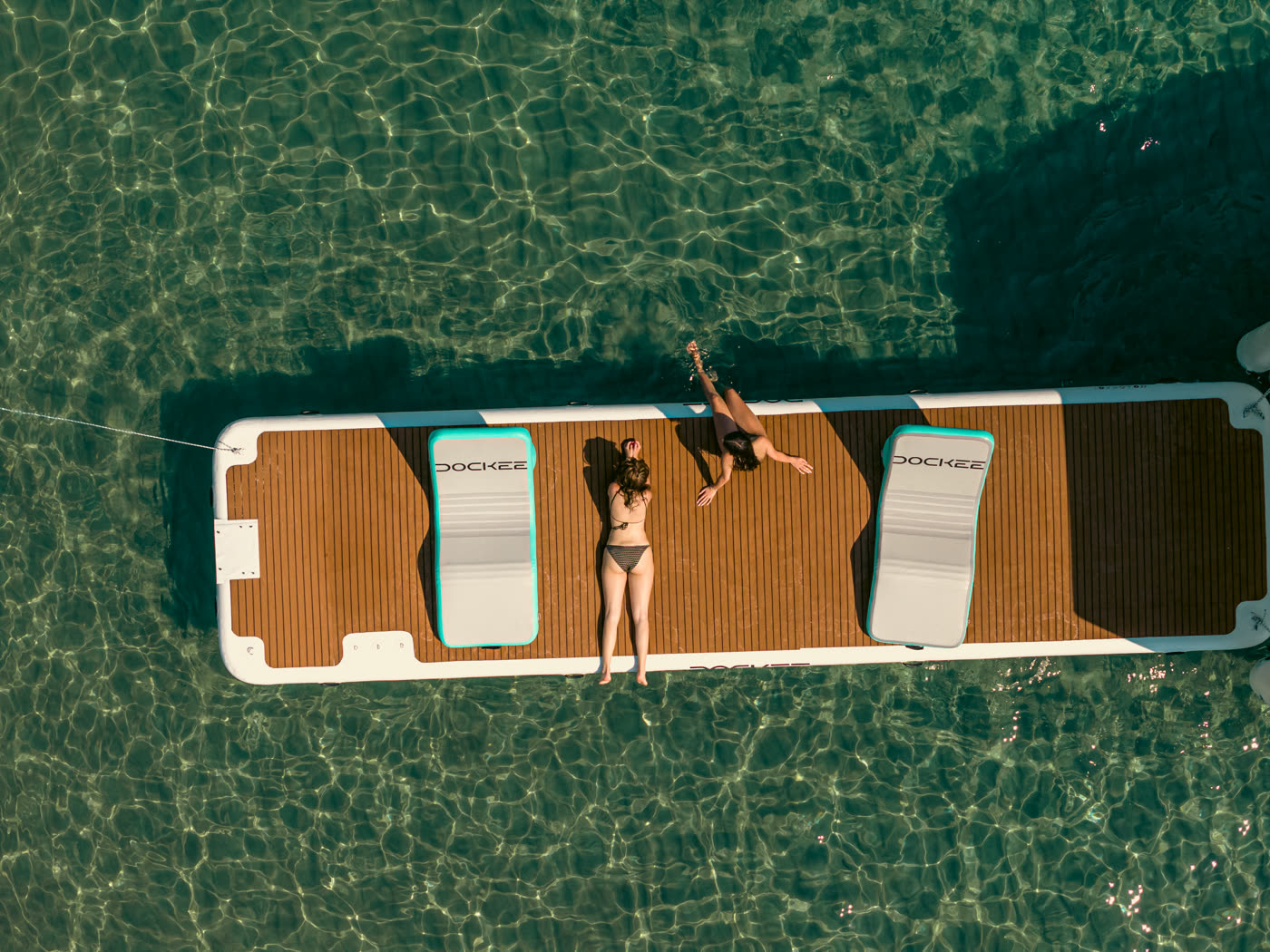
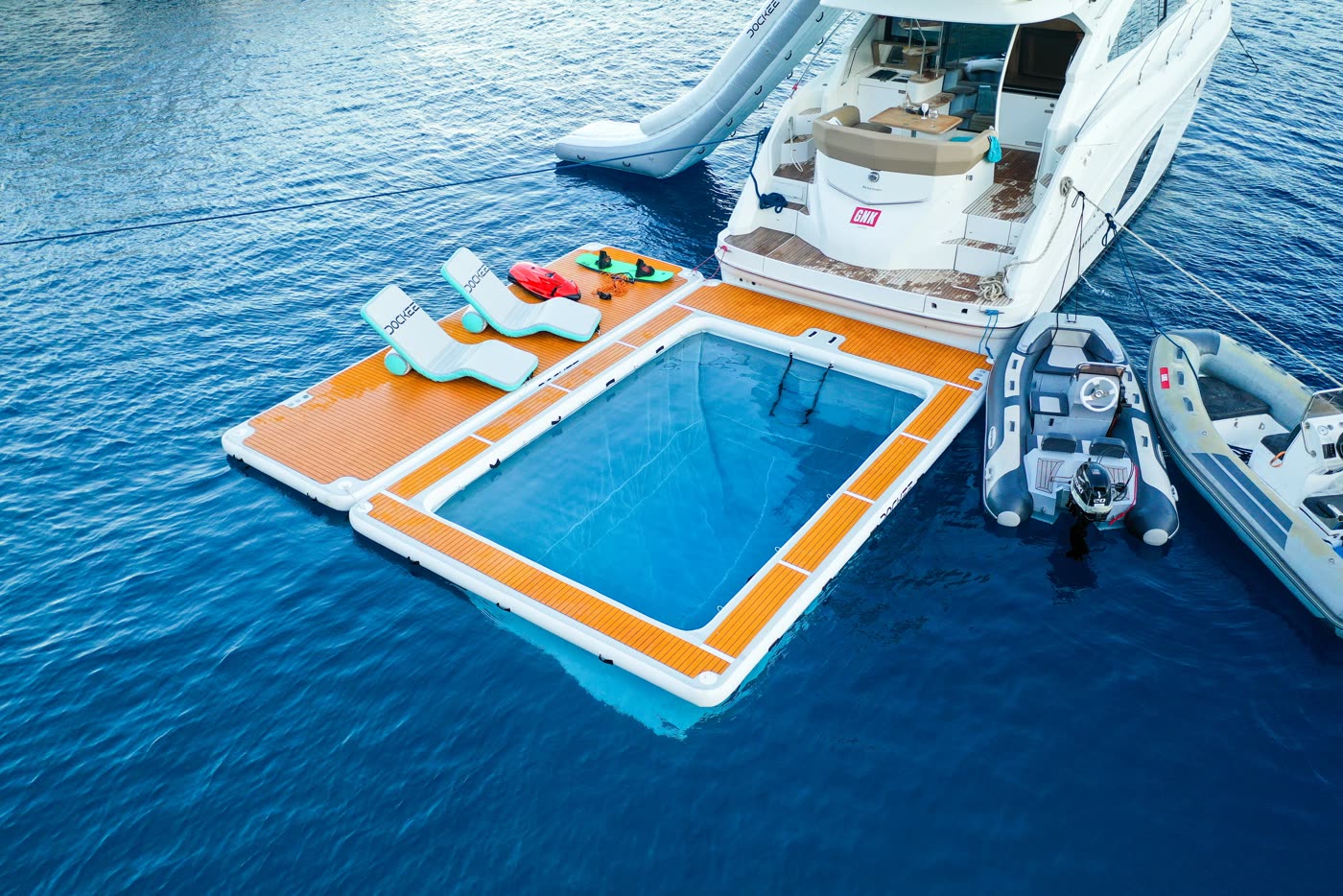
Loungers can borrow the yacht's own shade. In the morning and late afternoon the hull and superstructure cast a long shadow on one side; set a Signature Sun Lounger into it and move it as the yacht swings at anchor. At 160 by 75 cm, with a gently reclined profile, it is light enough for a guest to reposition without calling the crew. Tie a Premium Teak Platform 4.10 m off on the shaded side and the loungers have a 410 by 205 cm base beside them, with somewhere for swimmers to climb out.
Timing the day around the sun
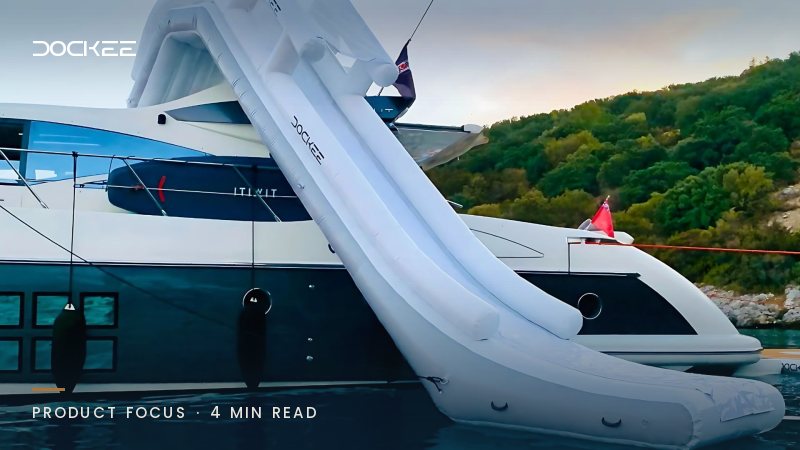
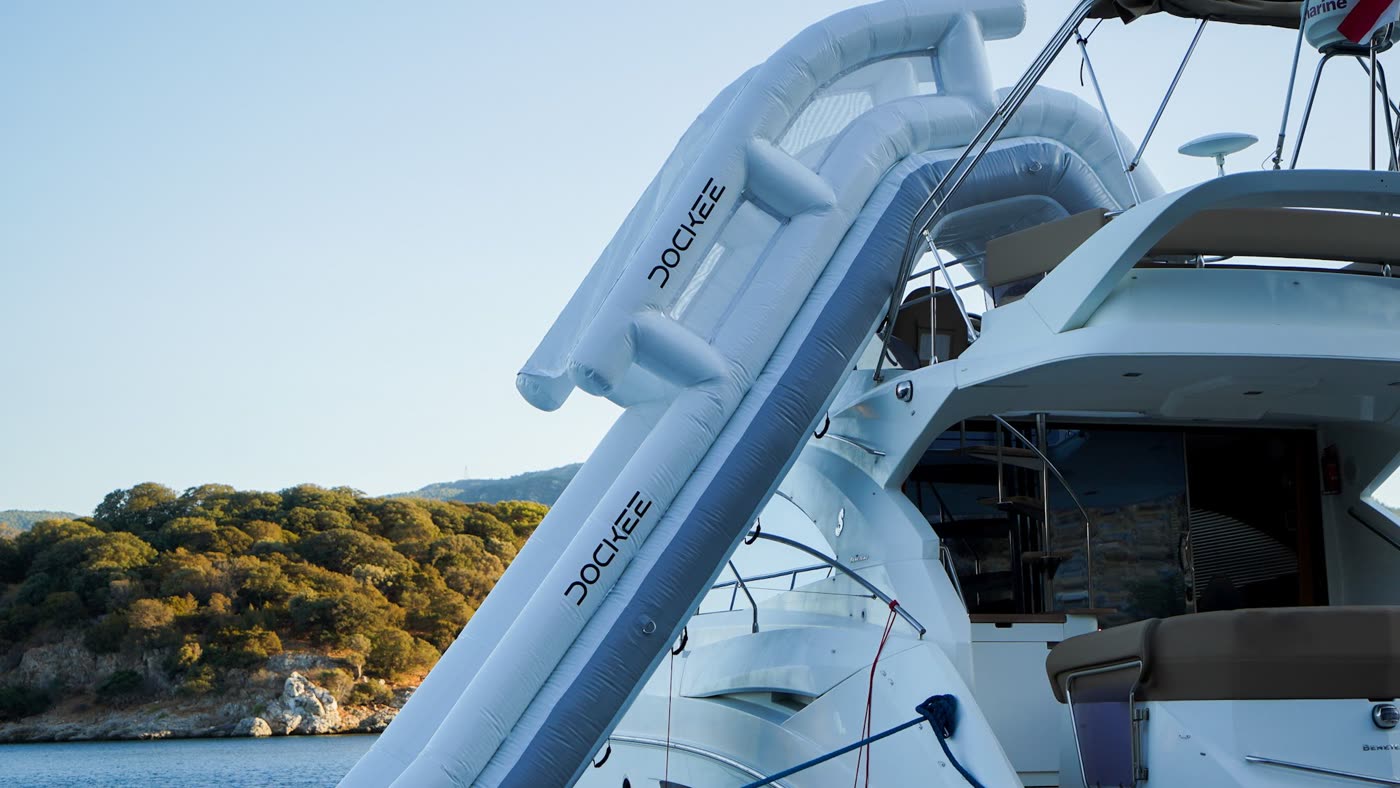
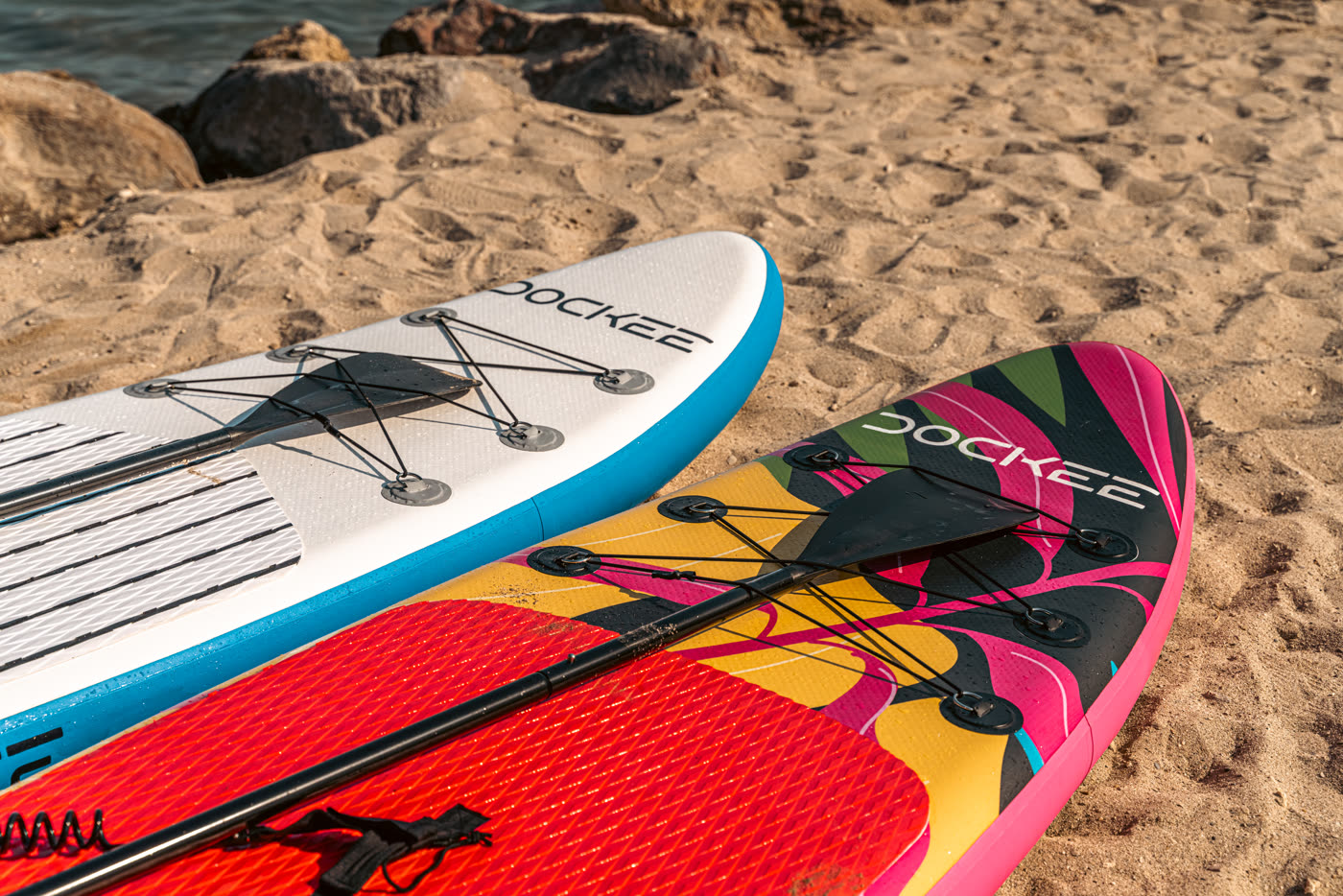
Crews who work tropical winters tend to run the water day in two halves. The toys go out early, before the breeze fills in, and swims, paddles and the slide fill the morning. Around midday guests come under the tent or back aboard for a long lunch in the shade. The second session starts once the sun has dropped in the afternoon and often runs until the light turns gold. Snorkelling trips and tender runs to the beach fit the same pattern: early or late, with the hottest part of the day spent somewhere cool.
Building the schedule round that rhythm means the platform is busy when it is pleasant and empty when it is not. It also suits the safety routine. With the engines and thrusters off whenever people swim, a crew member who has spent the hottest hours in the shade watches swimmers, especially children, with fresher eyes in the afternoon.
Looking after the gear in strong light
The decks are built from drop-stitch fabric with reinforced PVC and the loungers are made to resist UV and salt water, but nothing gains from baking empty on the water all afternoon. If a piece is not in use through the hottest hours, bring it into the shade or lift it aboard. Air inside warms and expands in strong sun, so a deck pumped firm in the cool of the morning gets harder by the afternoon; check it against the pressure stated in the product instructions and let a little air out if needed.
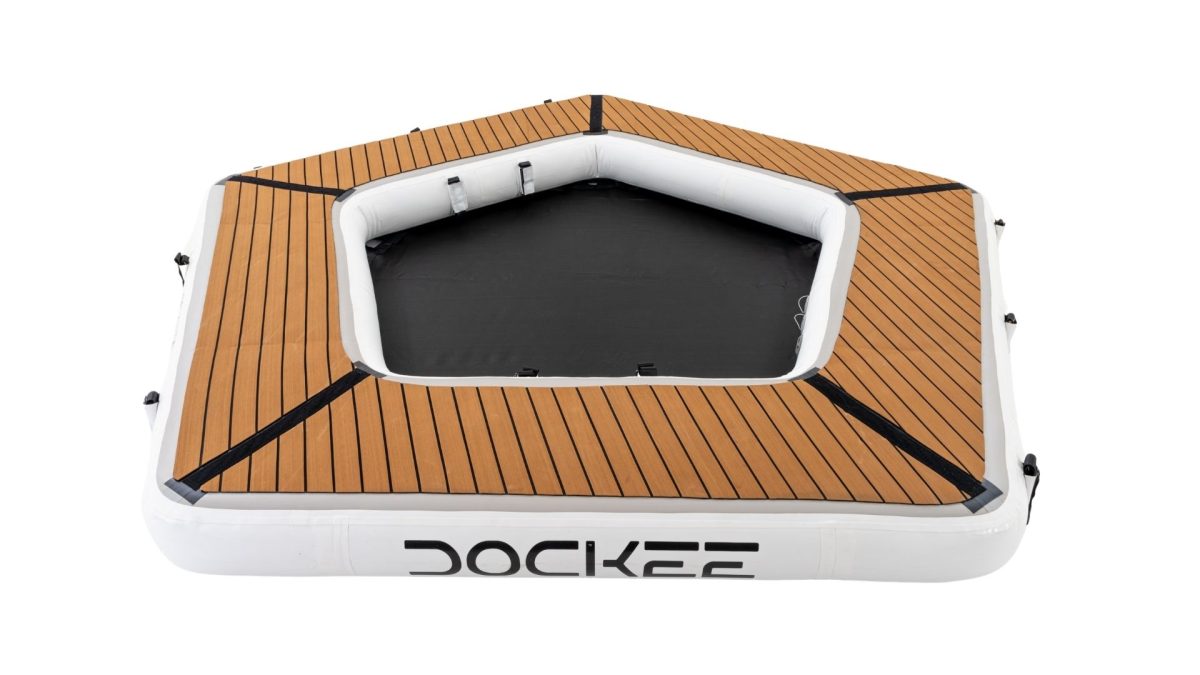
The teak-look surface can feel warm underfoot in direct sun, so a splash of sea water before guests step on helps. Since it is not real wood, a fresh water rinse at the end of the day is all it asks. Our care and storage guide covers the rest, and our lounge collection has the other floating lounges.