Good Caribbean season planning starts in the Mediterranean, well before the yacht leaves. The crossing is the part everyone talks about, but the decisions that shape the winter are smaller ones: which toys go, how they travel, and what has to be ready when the first guests step aboard in the islands.
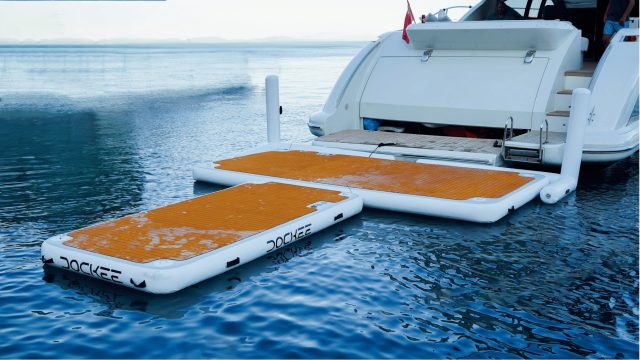
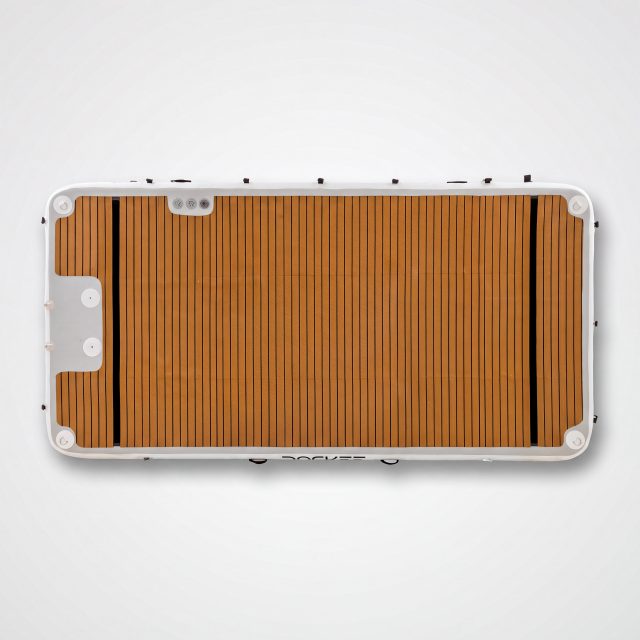
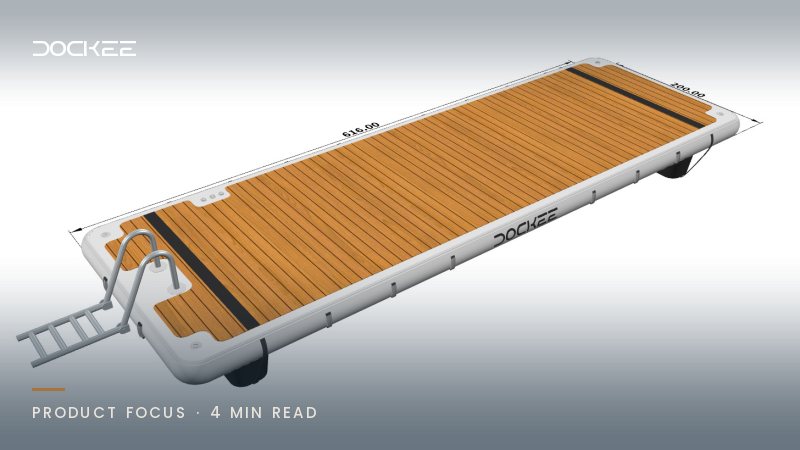
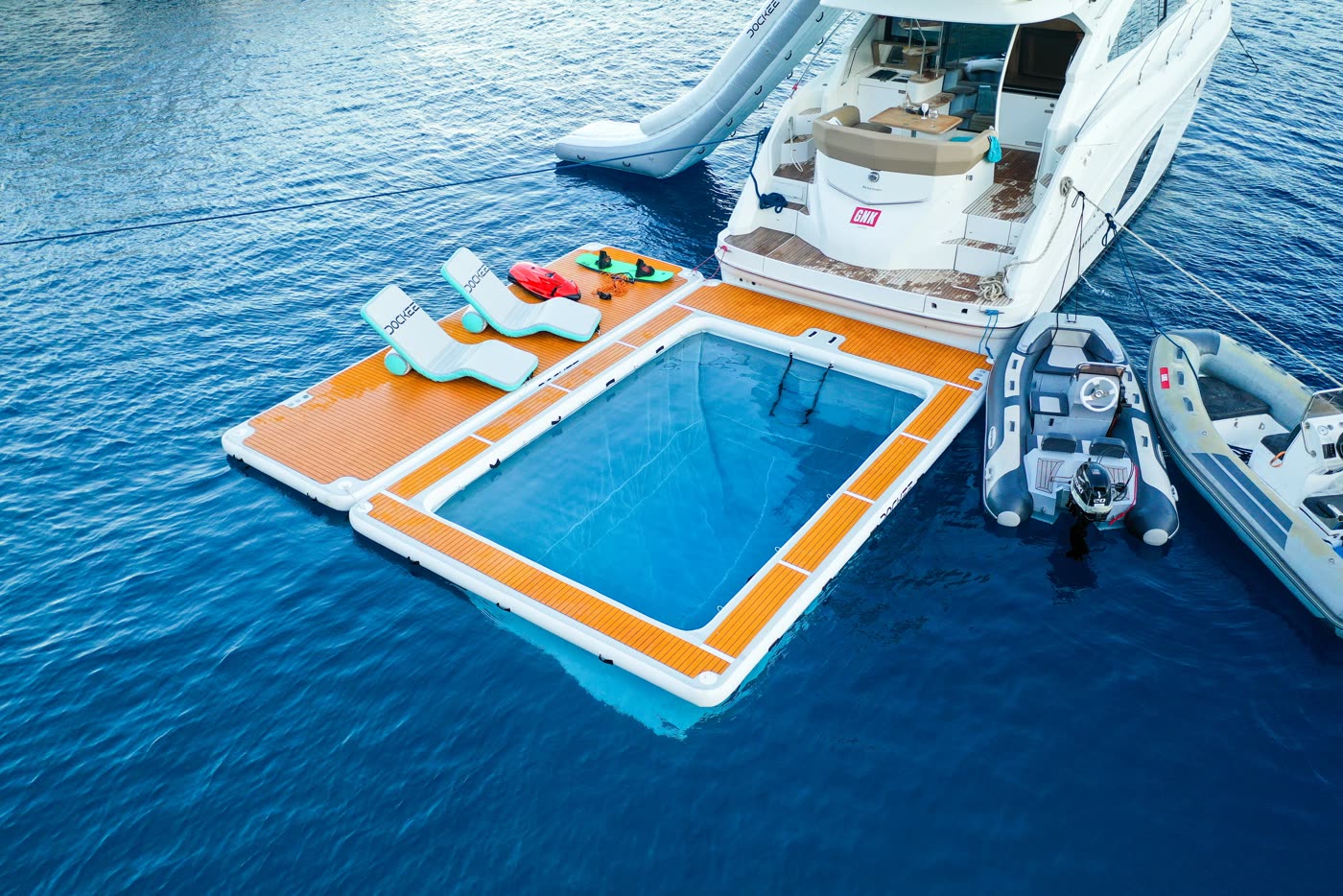
This is the order we would work in for a yacht that carries a Double Toy Dock, a Premium Teak Platform 4.10 m and the usual paddle boards and towables.
Sail them or ship them
Inflatables pack small, which makes the choice easier than it is for a tender. The Double Toy Dock and the 4.10 m deck each pack into their own bag, and both will sit in a garage or lazarette for the passage, as long as they are lashed and nothing heavy rests on top of them. The dock's bag is the heavier of the two, so give it a low spot near the hatch rather than a high shelf.
Shipping separately makes sense when the yacht crosses with a delivery crew and a stripped-out interior, or when new equipment is being bought for the season anyway. Our orders ship worldwide and fully insured, so a new dock or deck can go straight to the winter base instead of being squeezed aboard in a Mediterranean marina. The shipping page explains how delivery works.
Packing for a long passage
A long passage is hard on stowed gear even when none of it is in use. Salt air finds its way into lockers, and a bag that shifts in a swell slowly rubs through its own corners. These steps keep the inflatables in the state you want to unpack them in.
- Inflate each piece in the marina before departure and check every seam and valve in calm conditions, where a fault is easy to deal with.
- Rinse everything with fresh water and let it dry completely, top and underside, before it is folded.
- Fold loosely along the existing creases and avoid sharp bends near the valves and handles.
- Pack each item in its own bag and label the bag with its contents, so nothing has to be opened on arrival to find the right one.
- Lash the bags low and tight, away from fuel, batteries and anything with a sharp edge, and keep heavy gear off them.
- Keep the Air Pump 1200W, its hose and the nozzle adapters together in a dry box that is easy to reach.
Write the inventory down before the yacht leaves. In the islands, replacing a missing hose or a forgotten connector can take far longer than anyone expects.
Arrival and the first set-up
After the crossing, unpack in the shade and inflate every piece before the first guests arrive, never on the first charter morning. Bring each one to the pressure stated in the product instructions and leave it for a while to check that it holds. The pump runs on a 230 V (EU) supply, and shore power in parts of the Caribbean is not the same as in a European marina, so plan to run it from the yacht's own outlets.

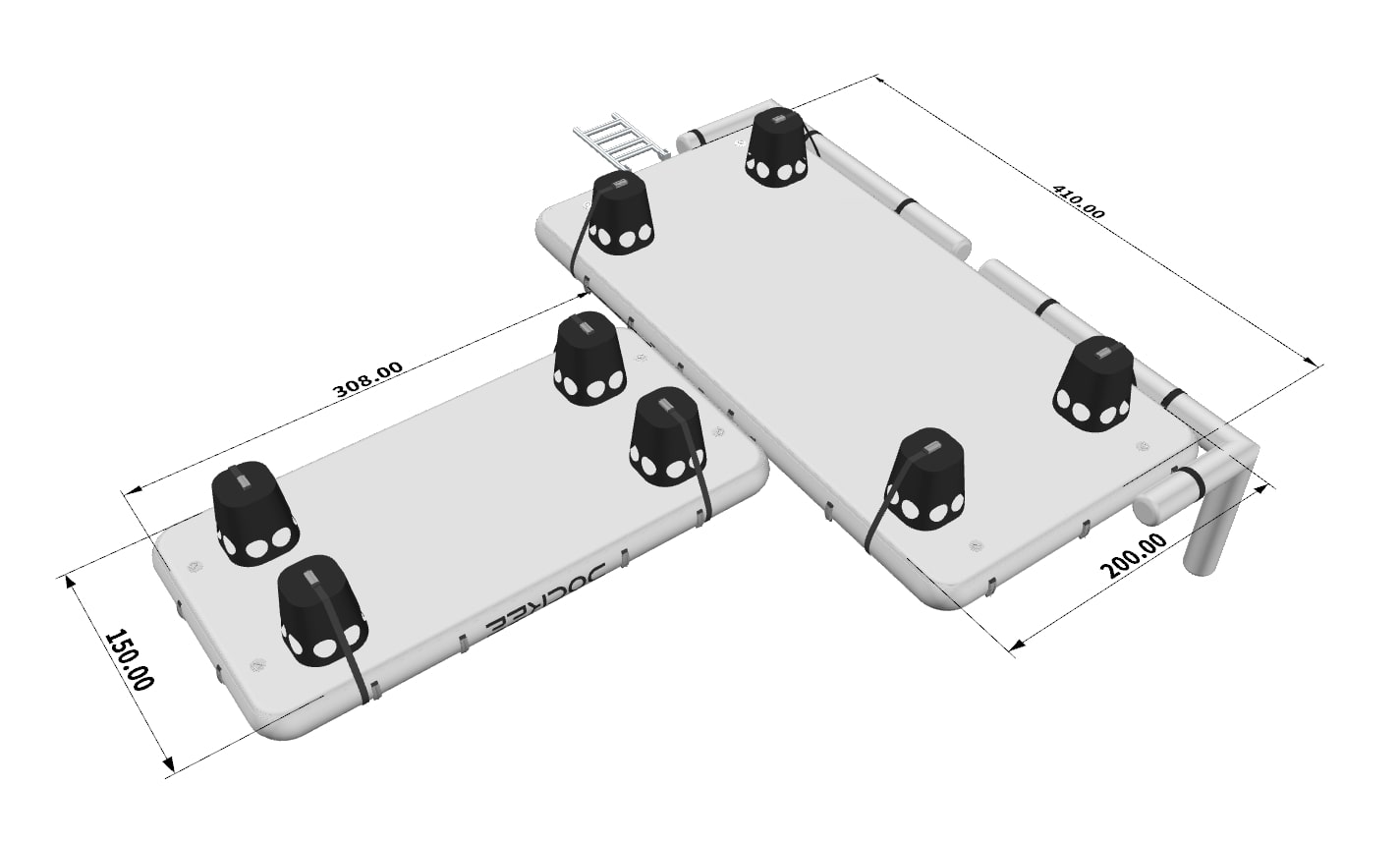
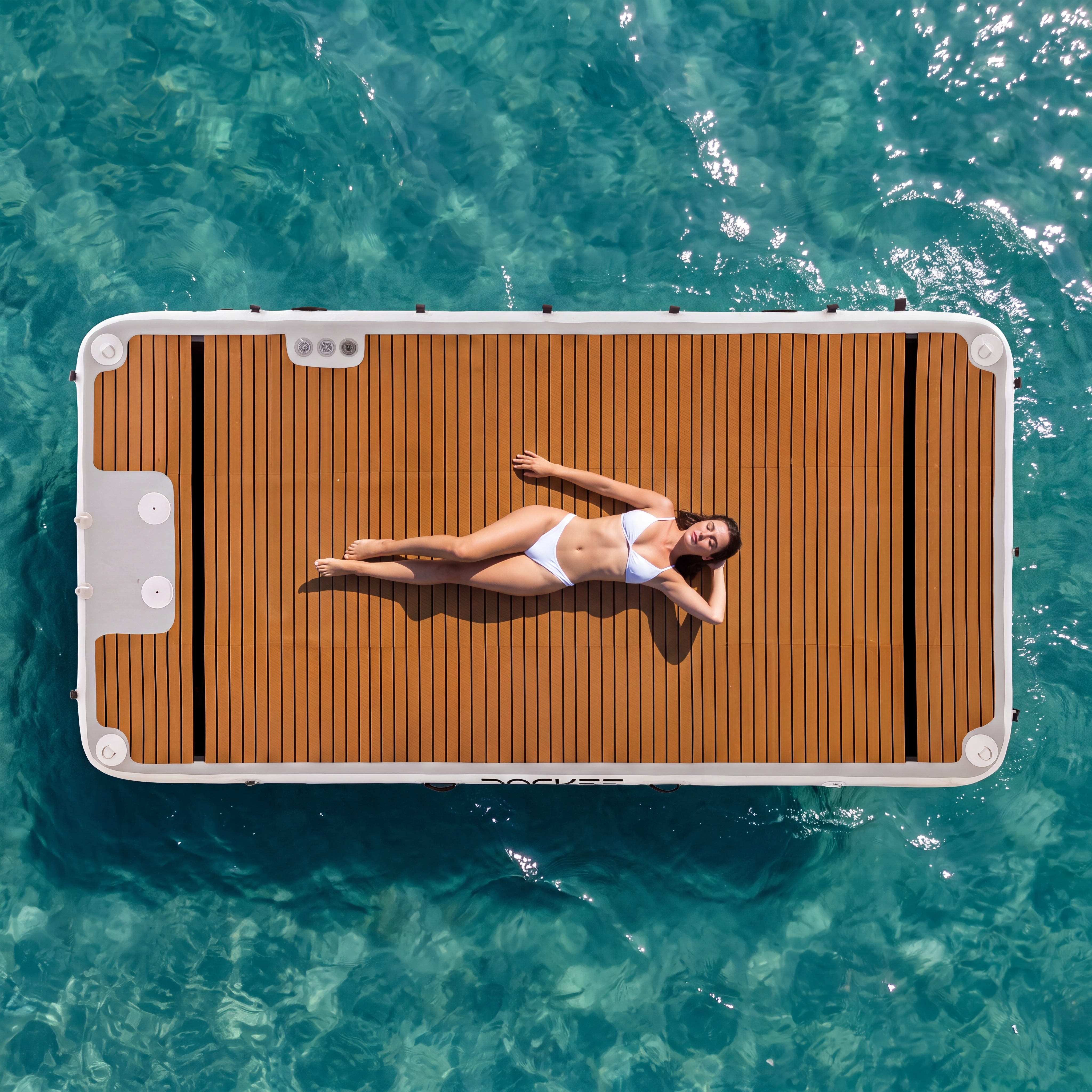
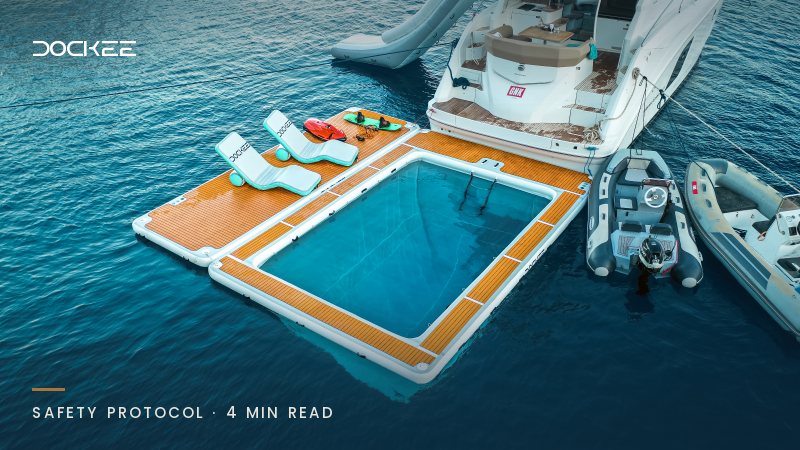
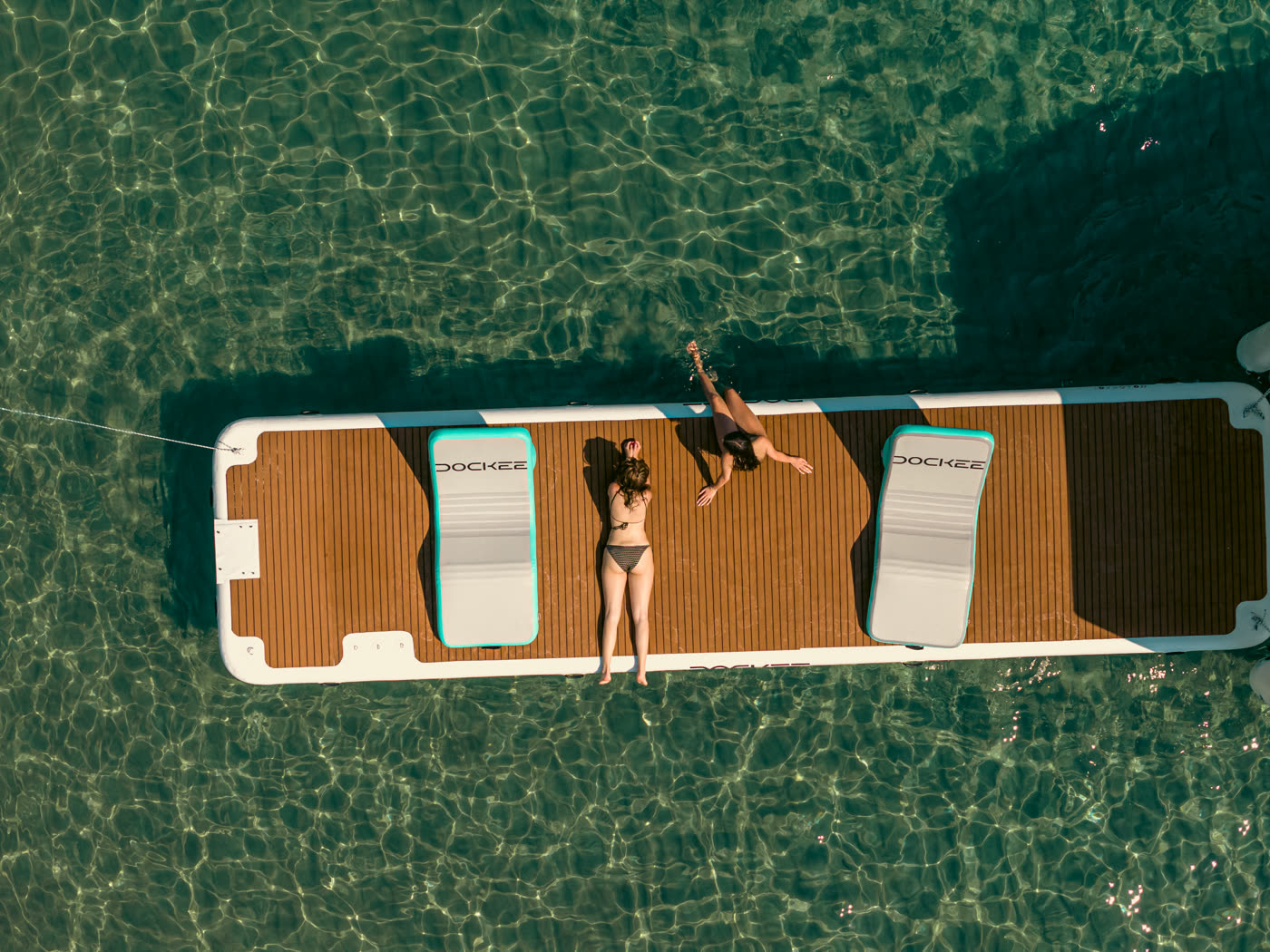
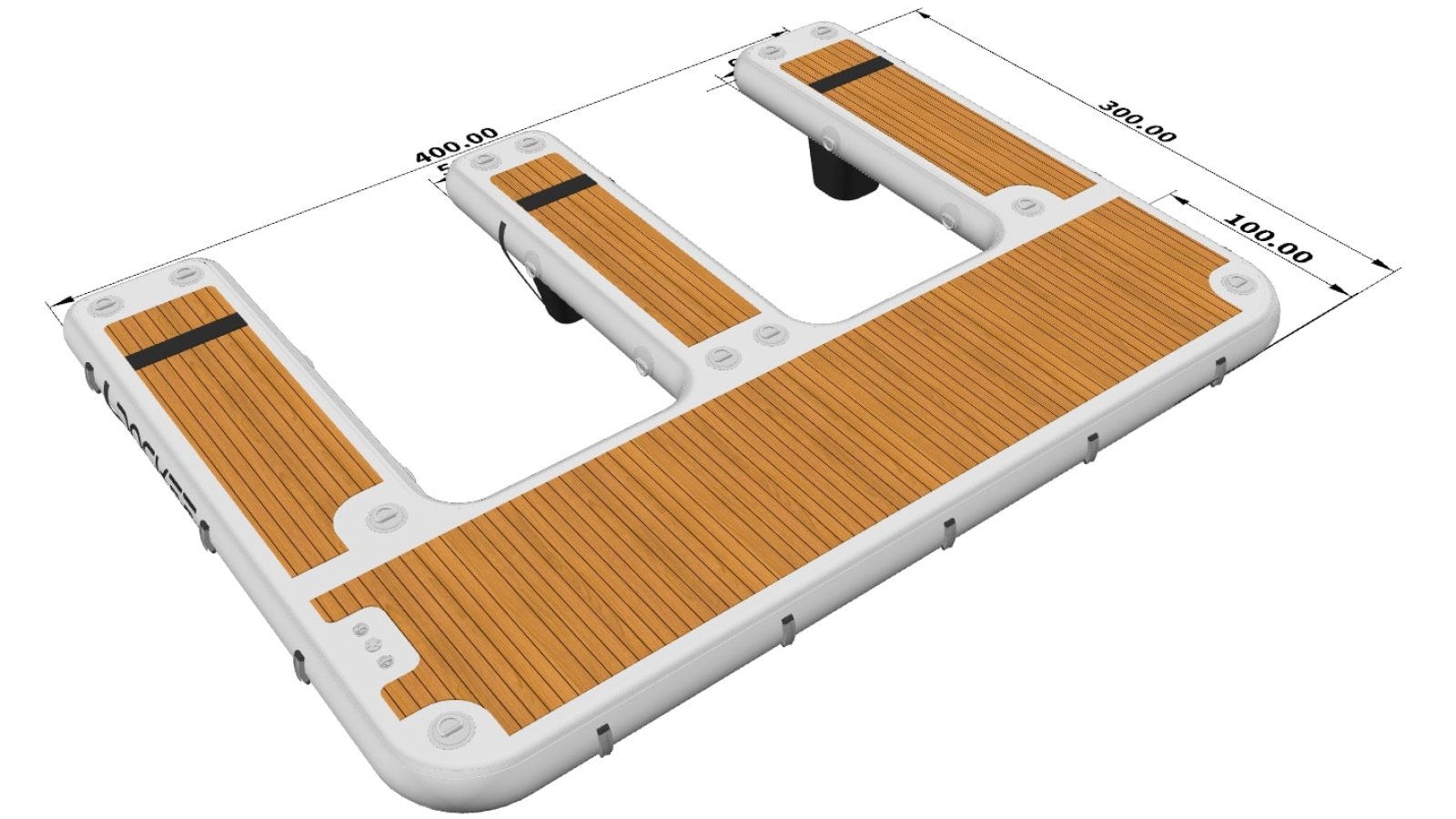
Then set the layout for the way the yacht will be used. The Double Toy Dock has a main section of 410 x 205 cm and a second section of 308 x 155 cm, and its divided arms keep up to two jet skis apart, with a centre access gap between them. The 4.10 m deck can lie beside it as the swimming and sunbathing space, so toys and swimmers each keep to their own side.
The light in the islands is stronger than in a Mediterranean October, which changes the routine more than the kit. Rinse with fresh water at the end of each day, dry before folding and keep the bags out of the sun when the toys are put away. Our guide's care and storage notes cover longer spells in the bag.
Before the first charter, walk the crew through the new layout: where each toy is tied, which side belongs to the swimmers, and the rules that cross the ocean with the yacht. The toys go out only in calm, sheltered water, engines and thrusters stay off whenever someone is swimming, and children in the water always have someone watching them.
Photo credits
- David Broad, CC BY 3.0, Wikimedia Commons