To measure a transom for a platform, you need a handful of numbers and a few photos: the beam at the stern, the usable width of the swim platform, its height above the waterline, and where the cleats and fixing points sit. Add a rough idea of the clear water behind the boat at anchor, and you have everything needed to choose a footprint.
The quiet months are the easiest time to do it. With the boat in its winter berth, the swim platform clear of toys and nobody waiting to swim, the job needs a tape measure and a second pair of hands.
What you need before you start
Bring a long tape measure, ideally a flexible one that follows a curve, a notebook or phone for the figures, and a camera. A few strips of masking tape help mark where each measurement starts, so you can repeat it later. Take the measurements with the boat afloat at its normal trim rather than ashore on stands, because the height of the swim platform above the water is one of the figures that matters most.
If you are unsure which part of the stern is which, the glossary entries for the transom and the swim platform are a quick check before you start.
The measurements that matter
Work through them in this order and write each one down as you go.
- Beam at the transom. Measure the width of the hull across the stern at its widest point. This is the space the platform will lie behind or alongside.
- Usable width of the swim platform. Measure only the part guests can actually step from, between any rails, steps, davits or a tender cradle.
- Height above the waterline. Measure from the top of the swim platform down to the water. A low platform makes stepping across easy; a high one changes where you place the deck and how guests climb back aboard.
- Cleats and fixing points. Note where each strong point is, how far apart they sit and whether they are well clear of the propellers and any stern thruster. The lines from the platform will go here.
- Clear water behind the boat. At the anchorages you actually use, look at how much open water lies astern before other boats, rocks or swimmers. The platform and its lines need room to lie without touching the hull or anything else.
- Photographs. Take a straight-on photo of the stern from the water or the quay, a photo from each side and a photo of the swim platform from above, with the tape visible in at least the first.
Matching your numbers to a footprint
All four standard sizes share the same 205 cm width, so length is the real decision. Compare your beam, the usable width of your swim platform and your clear-water figure with the standard sizes.
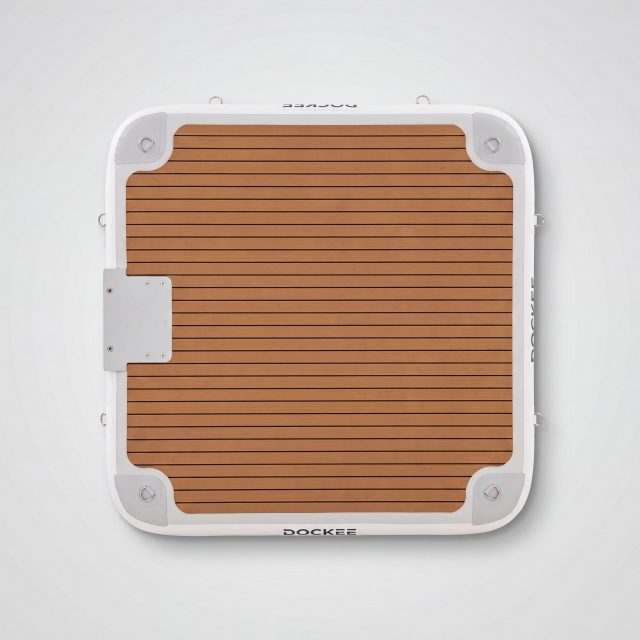
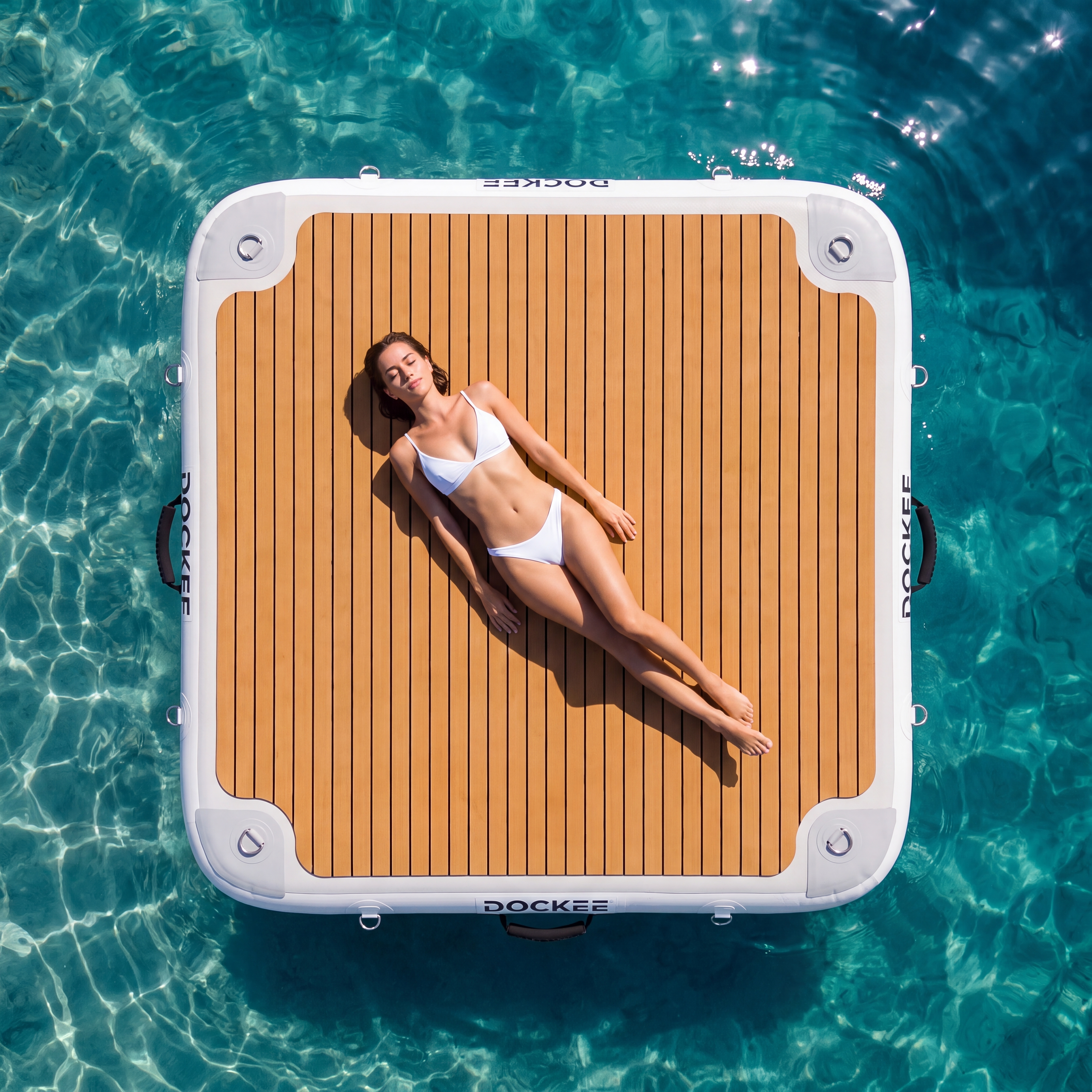
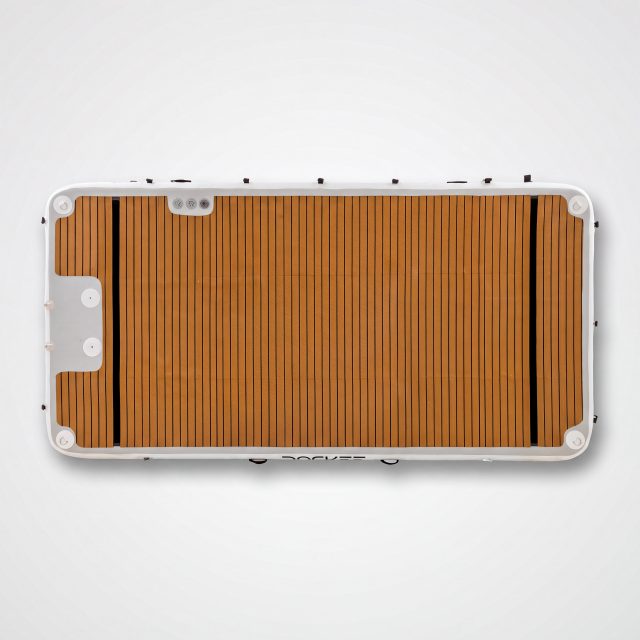
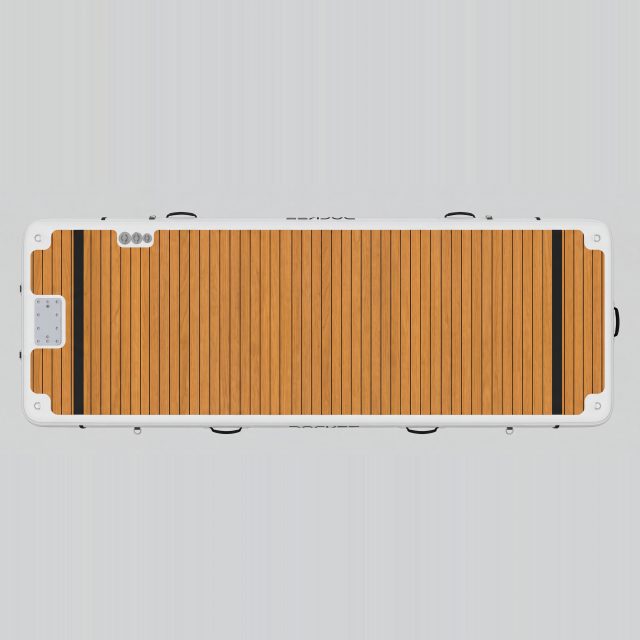
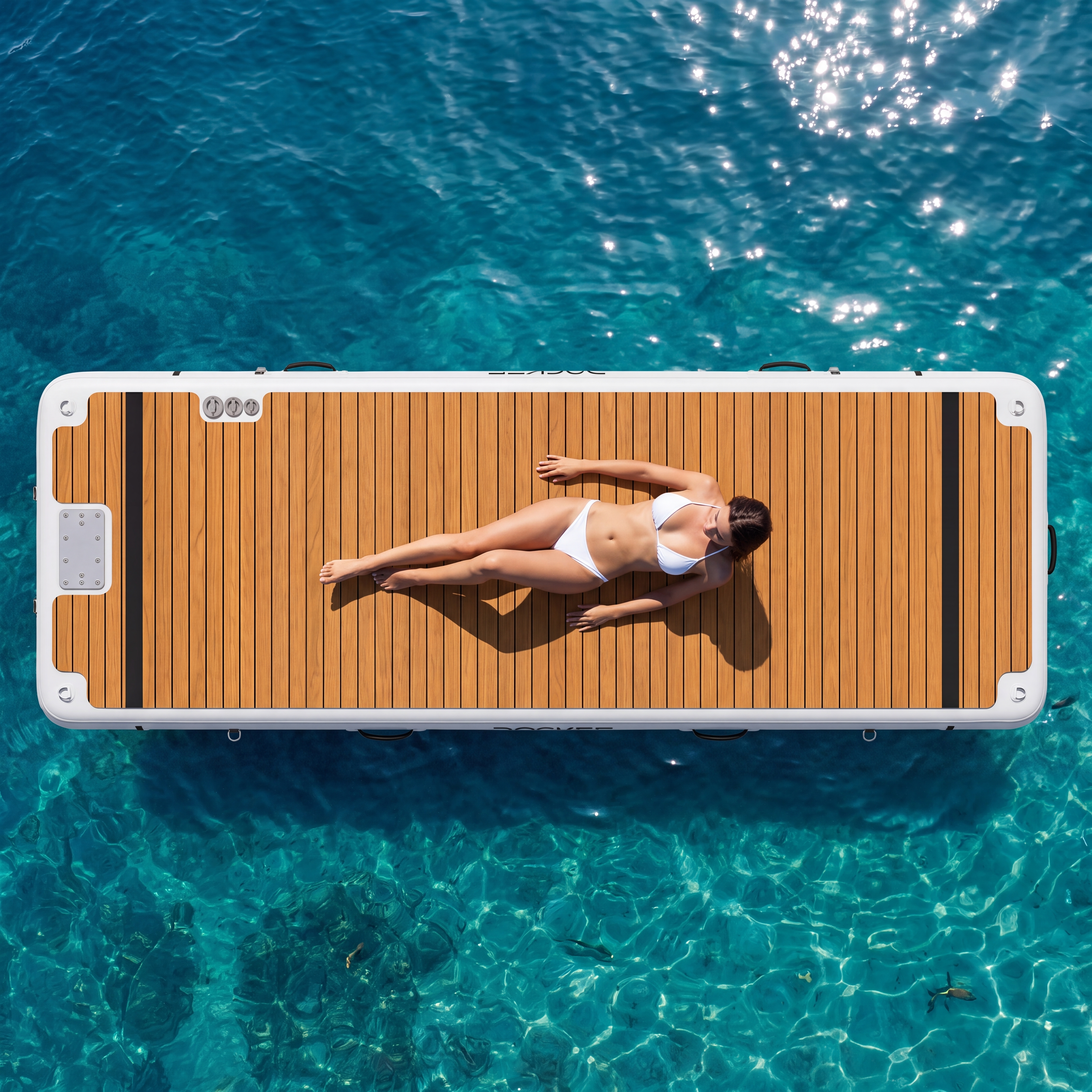
The Premium Teak Platform 2.05 m is a square, 205 x 205 cm. It suits smaller boats with a narrow transom, and it packs to 50 x 50 x 40 cm, about 22.3 kg with its bag, which matters when locker space is tight. The Premium Teak Platform 4.10 m, at 410 x 205 cm, is the natural choice when your beam is close to that length, giving a deck about as wide as the stern itself. It packs to 70 x 53 x 43 cm and weighs about 36 kg with its bag.
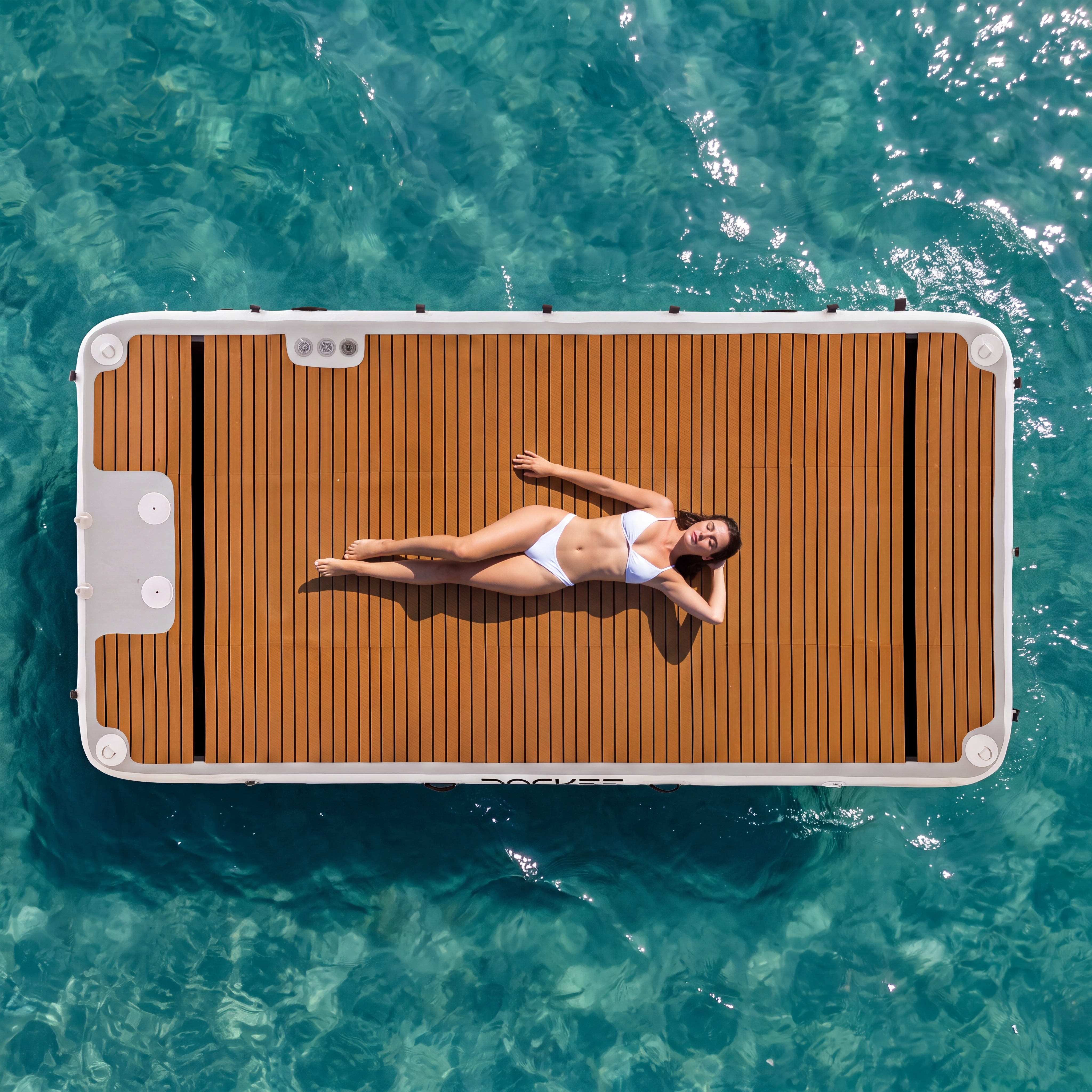
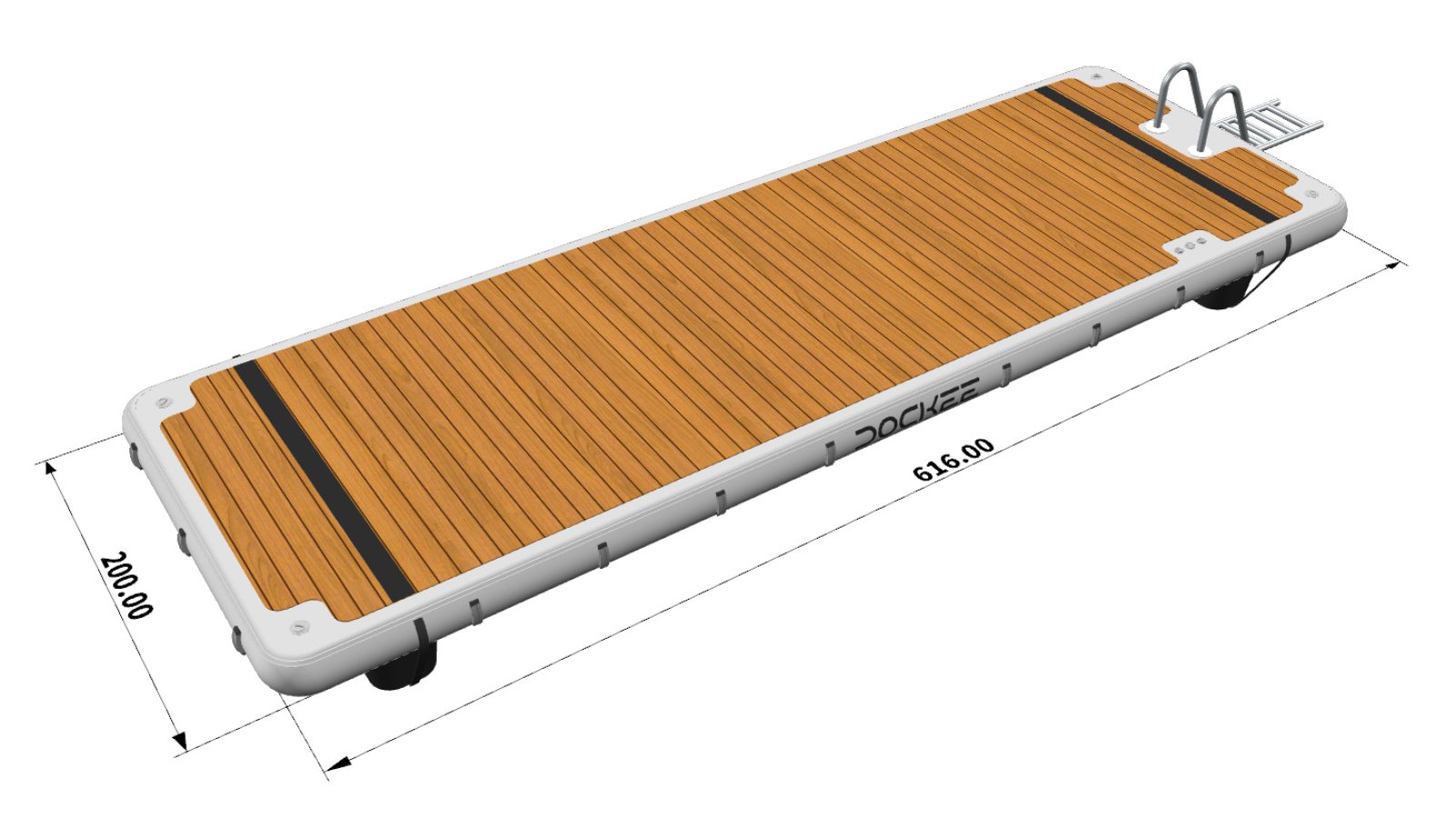
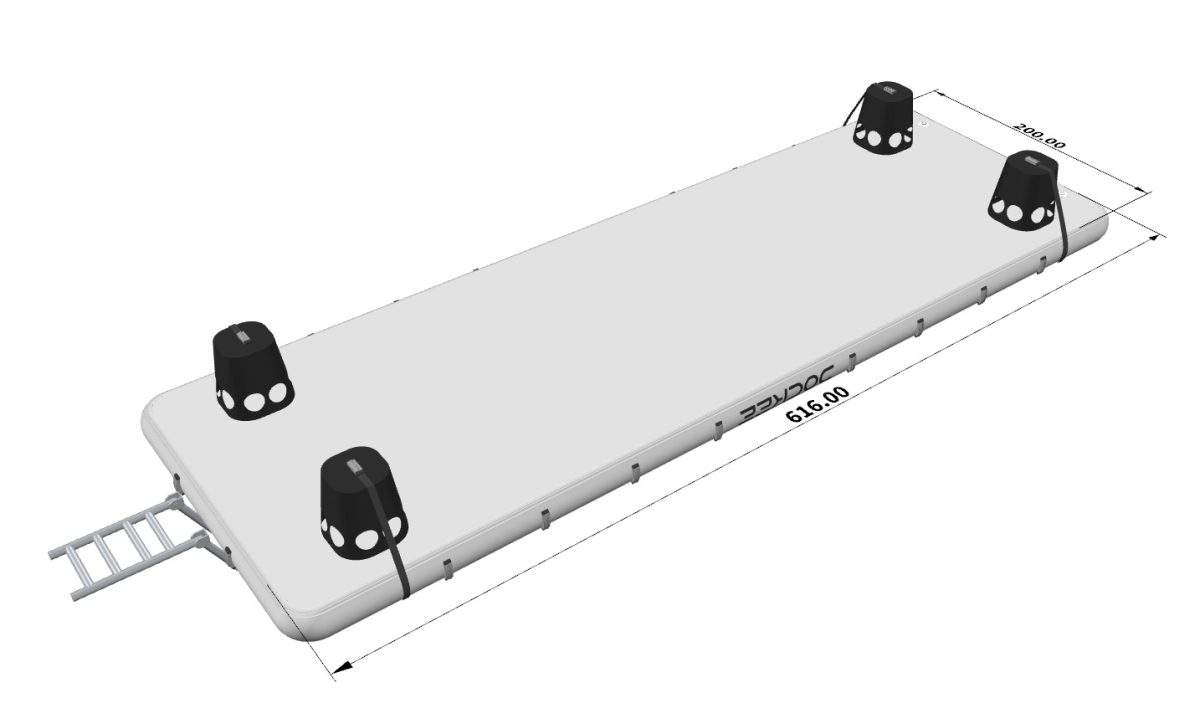
The Premium Teak Platform 6.16 m measures 616 x 205 cm, and the Premium Teak Platform 8.20 m measures 820 x 205 cm. Both are usually longer than the stern is wide, so they lie along the side of the hull or across the stern with the ends running past it. That works well as long as your clear-water figure leaves room and the extra length stays away from the propellers. They pack to 90 x 60 x 45 cm at about 50 kg, and 105 x 65 x 55 cm at about 61 kg, so check where each would be stowed.
Let the clear water at your usual anchorages set the upper limit, rather than the width of the transom. The section on choosing the right size walks through the same reasoning.
When to ask for a custom size
Some sterns do not suit a standard footprint: a wide beam with a narrow swim platform, a tender garage door that opens across the space, or fixing points in awkward places. In those cases a tailor-made platform can be adapted in size, surface or configuration, and each design is quoted individually.
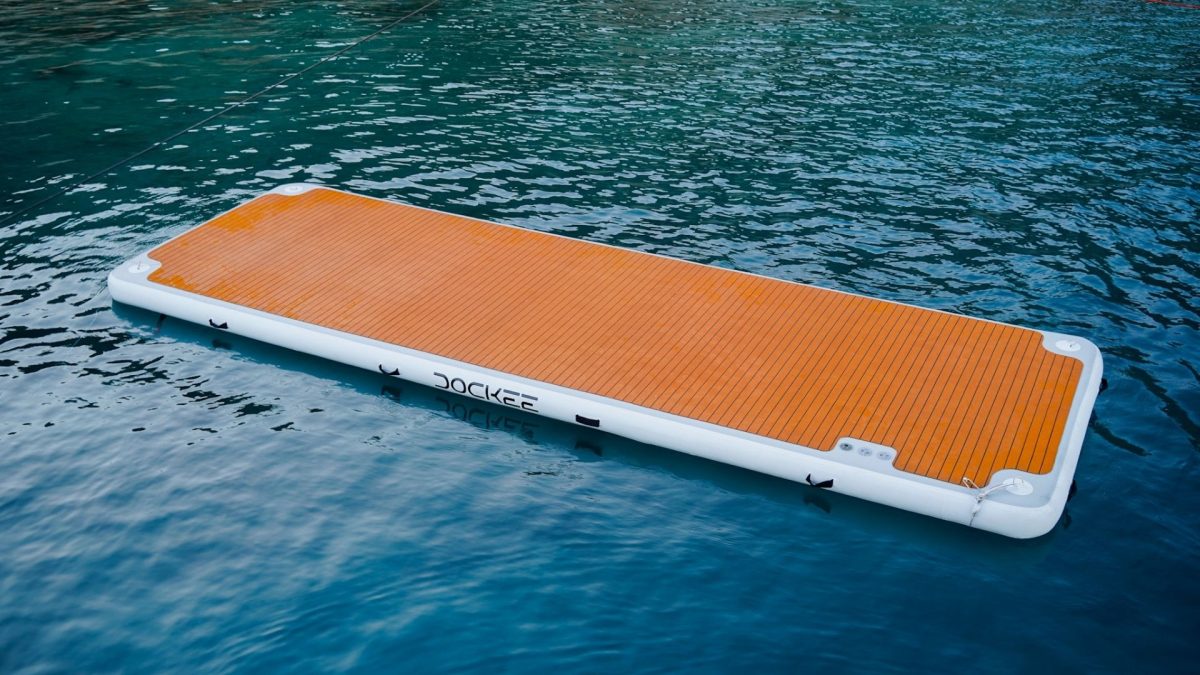
Send the team your figures and photos together. The straight-on photo with the tape in shot answers more questions than a page of numbers, and it lets the team check the height of the swim platform and the position of the cleats before suggesting a size. Whatever the size, the platform belongs in calm, sheltered water, with engines and thrusters off while anyone is in the water and swimmers, children above all, supervised.