The couple wanted to say their vows with open sea on every side, and the captain's first question had nothing to do with flowers. It was about the bay. Anyone who has helped plan a wedding ceremony on the water learns this early: the setting does most of the work, and the setting is decided by wind, swell and the shape of the coastline long before anyone talks about chairs or arches.
What follows is the view from the planning side, where the yacht crew and the wedding planner sit down months ahead, usually in the quiet of winter, and work out what will actually happen on the day.
The bay matters more than the decor
A good ceremony bay is sheltered from the afternoon breeze, has room to anchor well clear of other boats and offers water calm enough that nobody thinks about their footing. Experienced captains shortlist a few bays rather than one, because the wind on the day decides which side of an island is quiet. The planner has to accept that the final location may only be confirmed the evening before, and write invitations and timings with that in mind.
Light matters as much as shelter. A ceremony in the late afternoon puts the sun lower and kinder on faces, and the worst of the heat has passed for anyone in formal clothes. Ask the captain which way the yacht will lie at anchor, because that decides whether the couple face the sunset or squint into it, and whether the photographer works with the light or against it.
Building the ceremony space
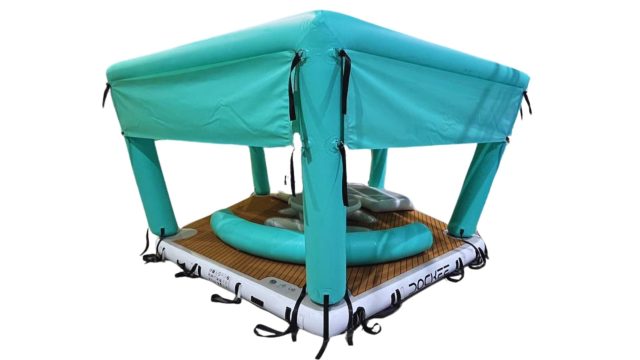
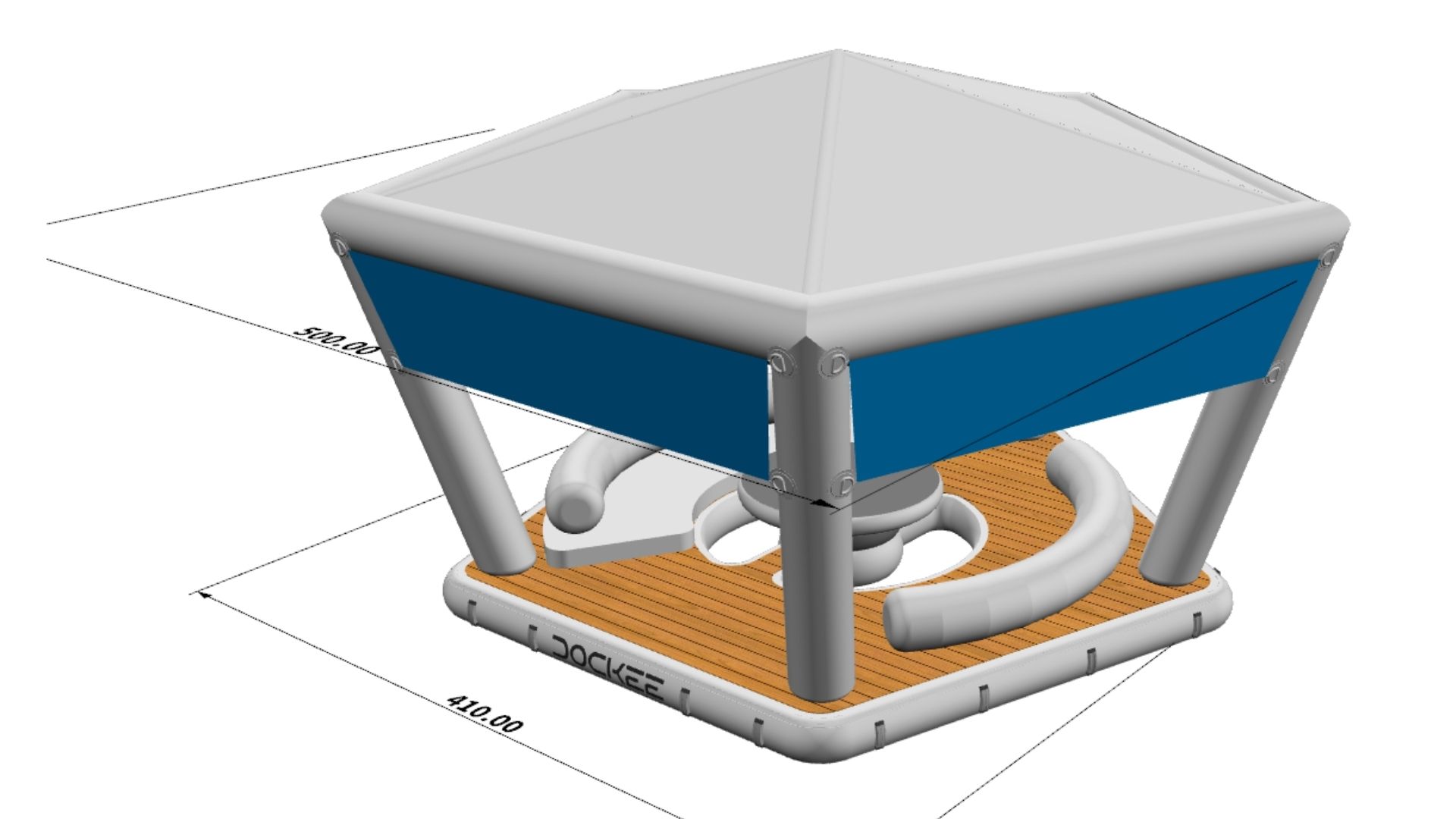
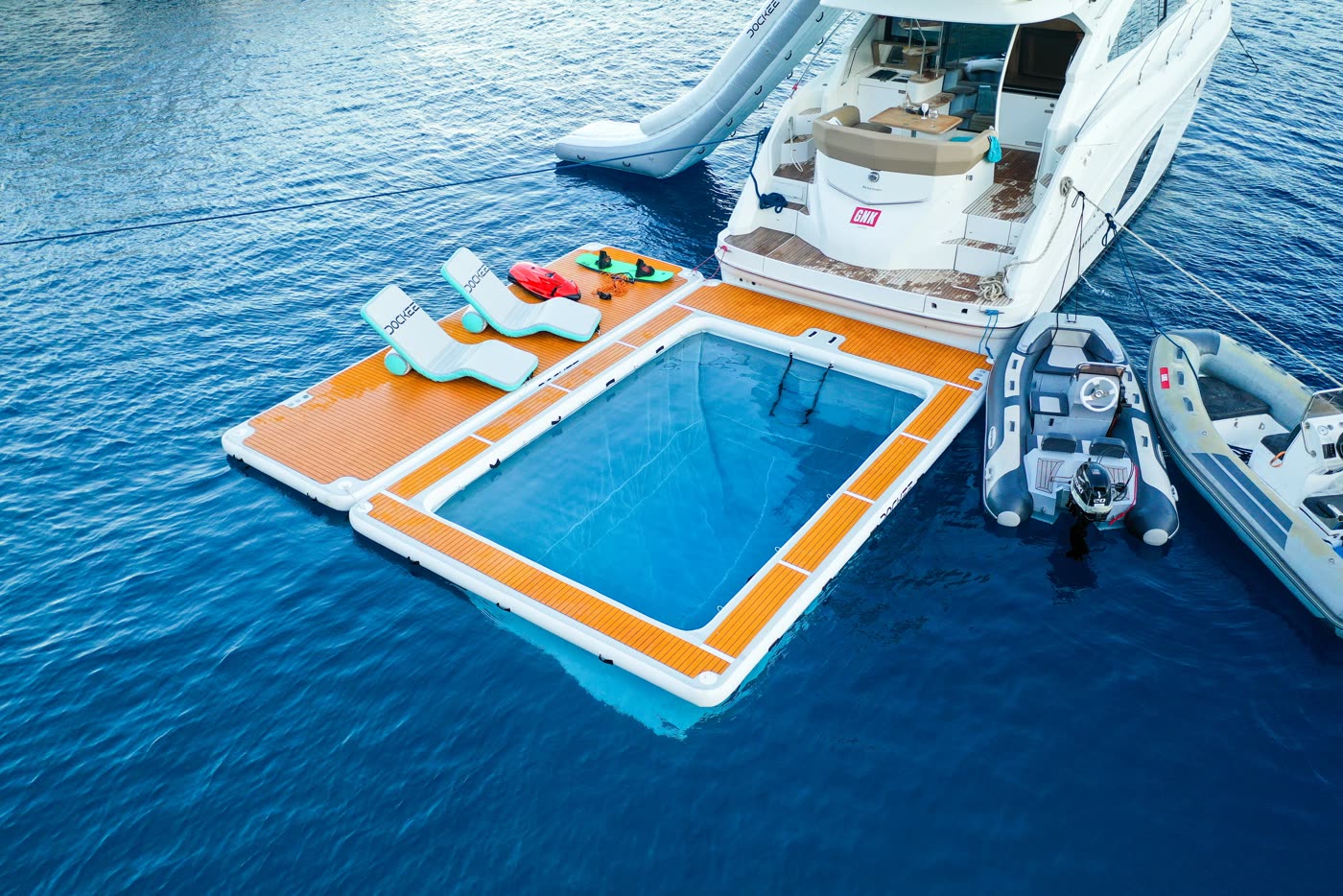
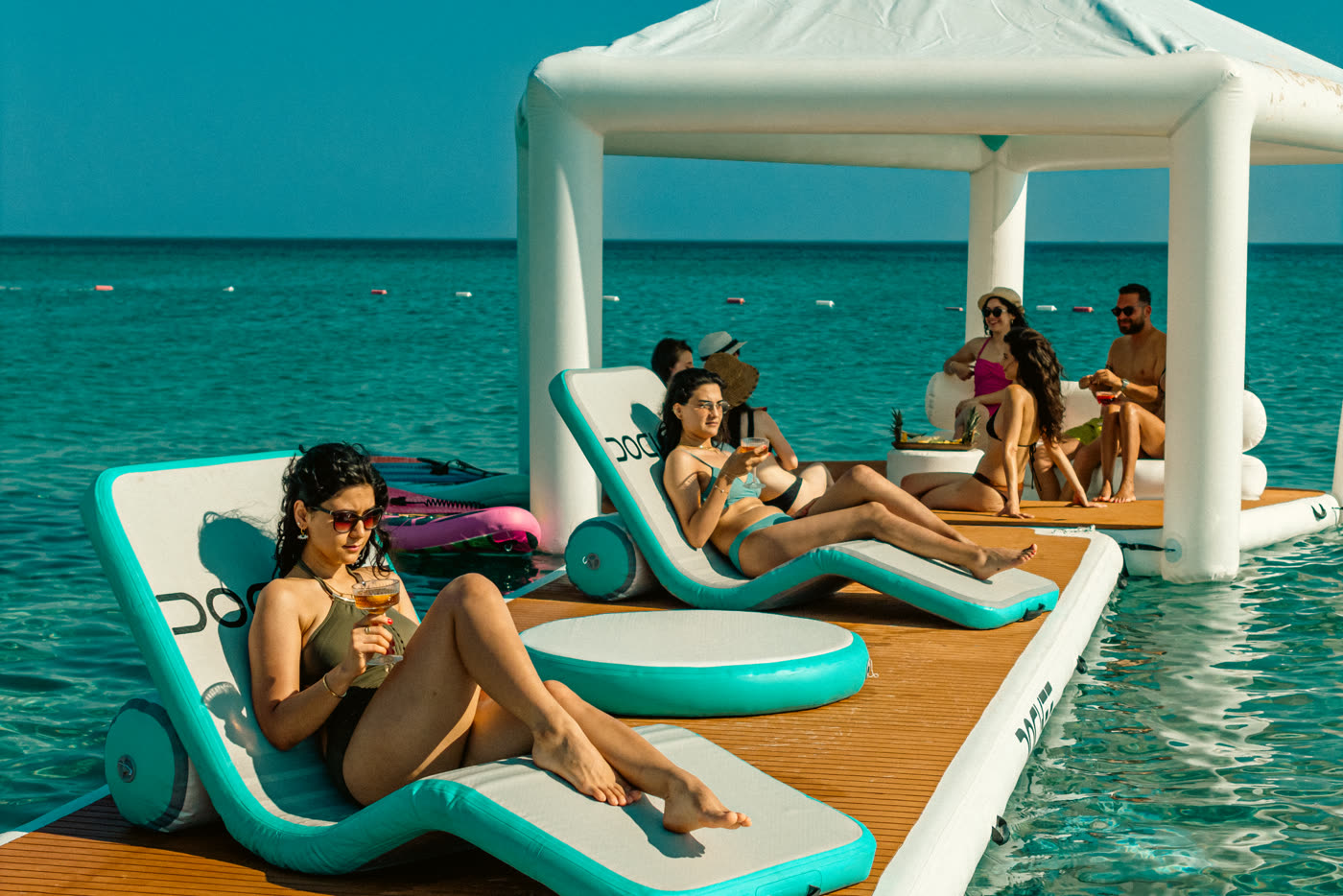
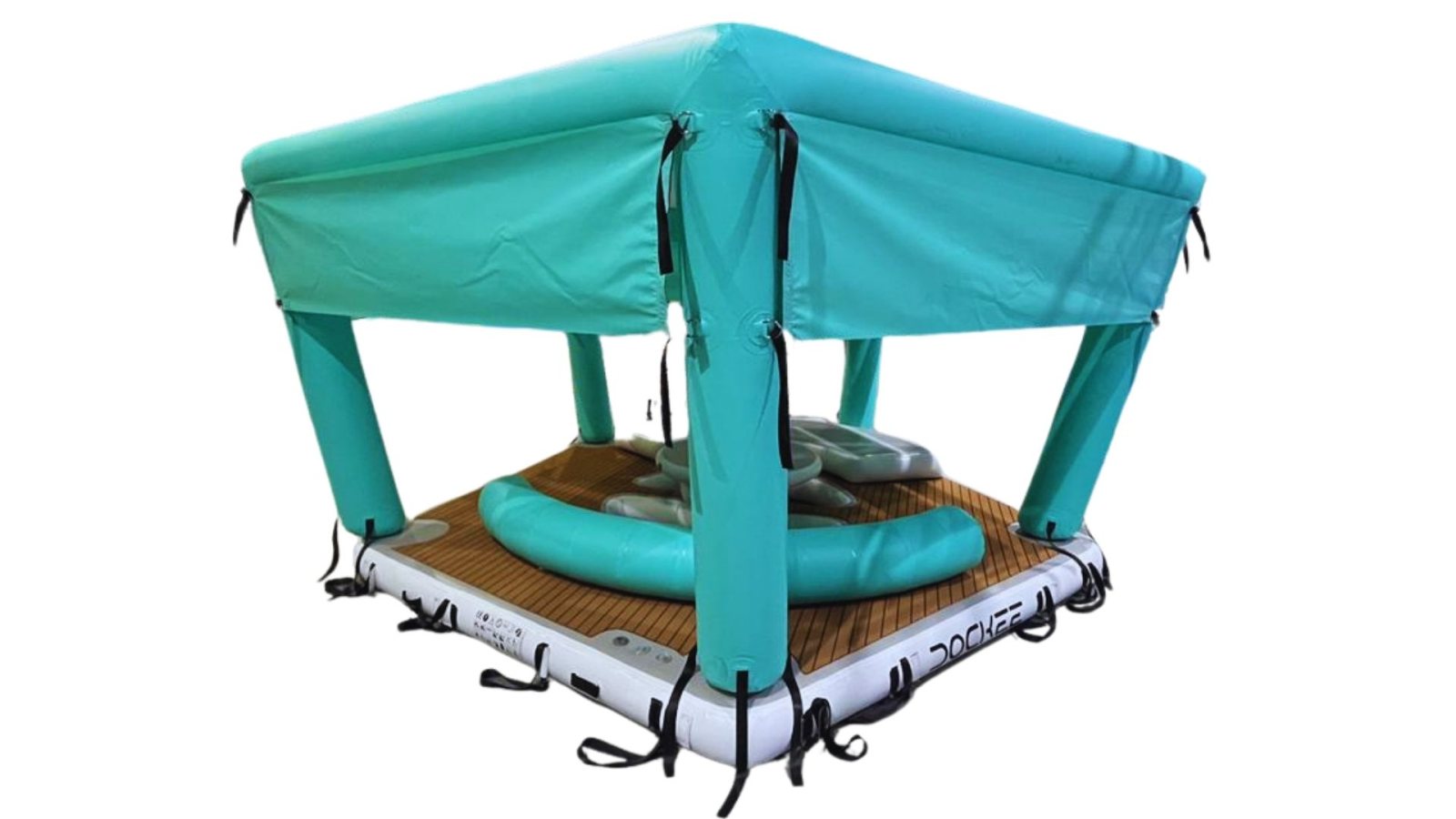
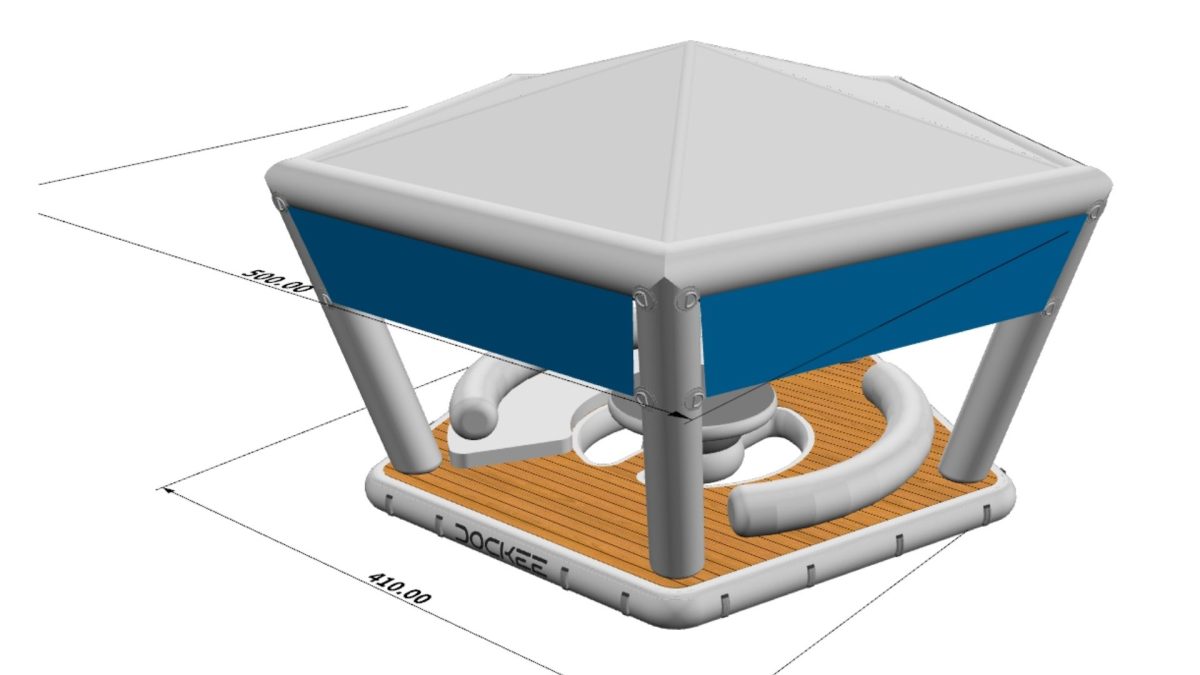
Few yachts have an aft deck that can serve as aisle, altar and standing room at the same time. A floating space solves that. The Prestige Lounge has a base of 410 x 355 cm and an optional tent that turns it into a shaded, clearly defined room on the water. On the day, that is where the couple and the officiant stand, framed by open sea instead of the side of a hull.
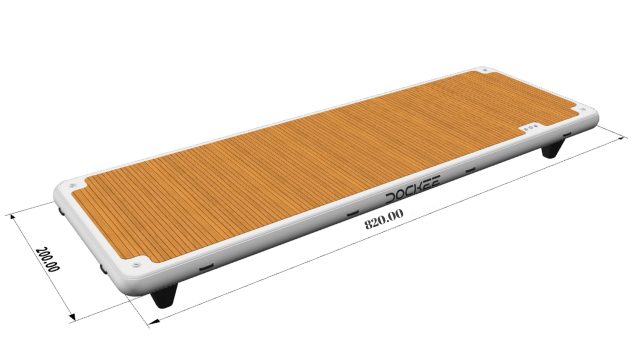
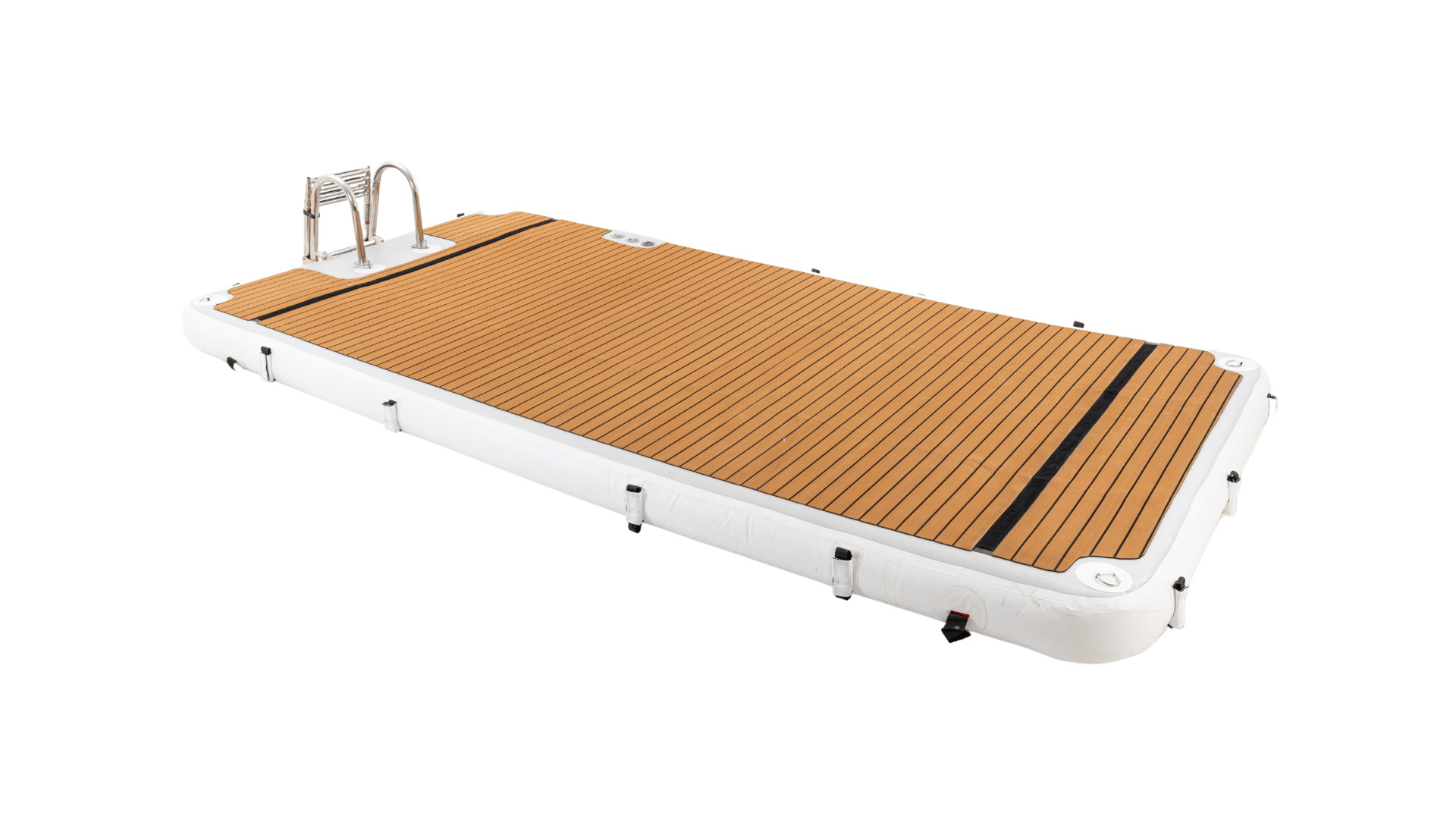
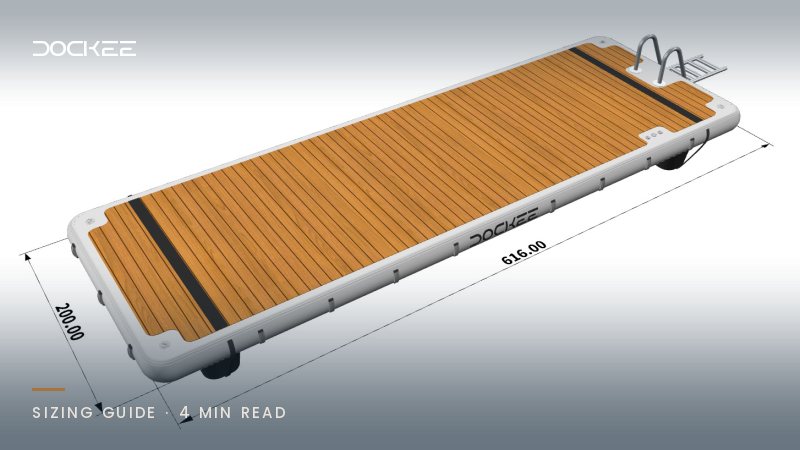
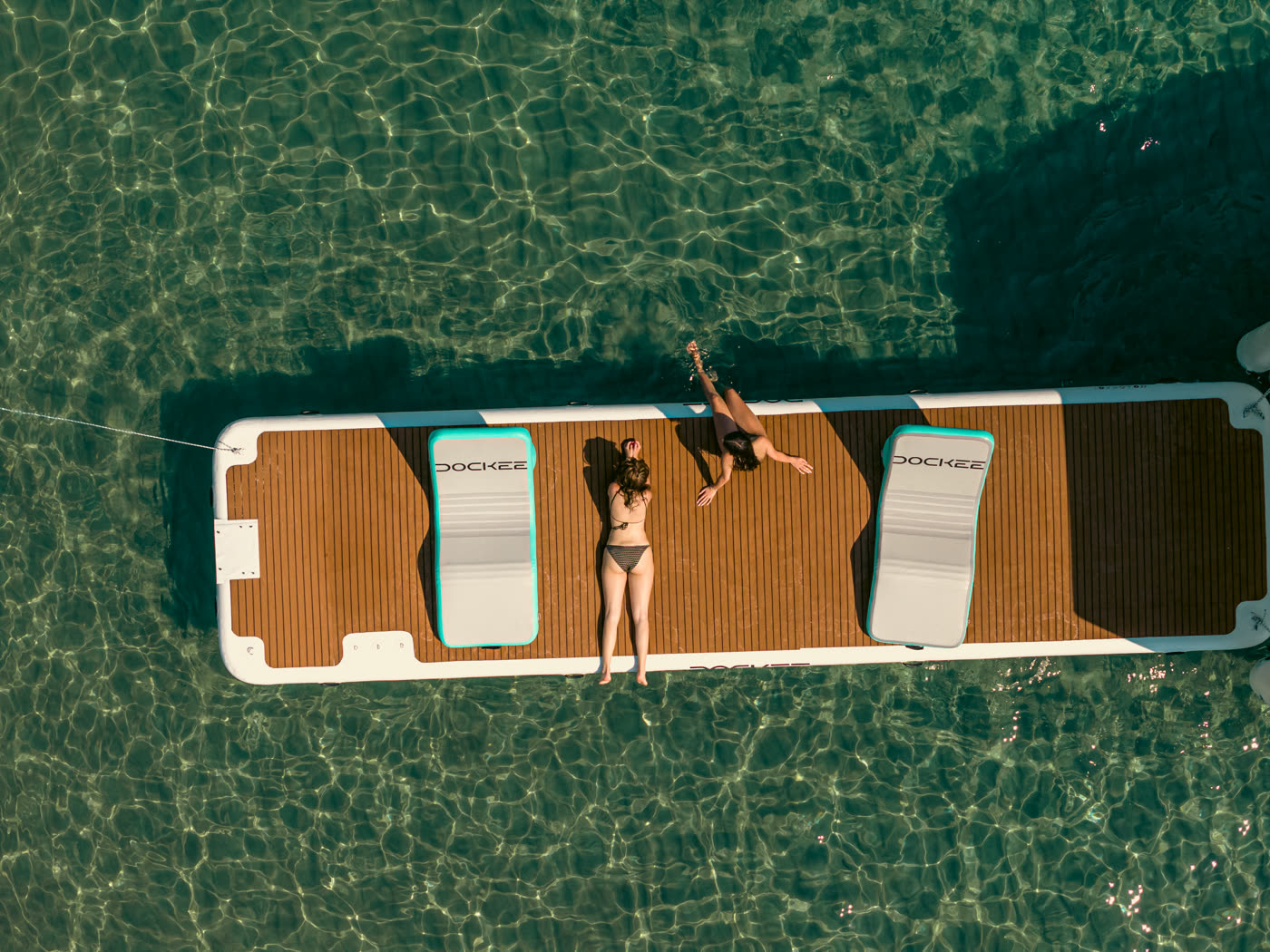
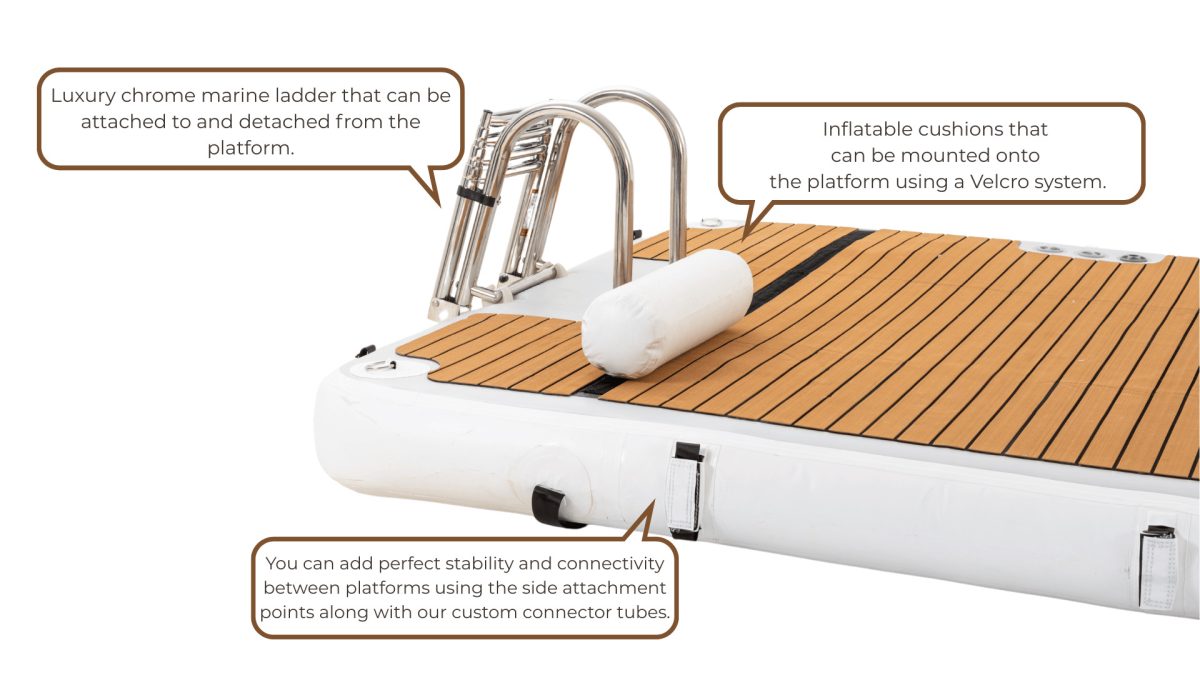
Run a long deck from the yacht towards it and the layout starts to make sense. The Premium Teak Platform 8.20 m adds a flat strip of 820 x 205 cm with a non-slip teak-look surface, and it reads naturally as an aisle. Guests can stand along it, and the photographer gets a clean line from the stern to the vows. A curved Relax Corner at the far end gives grandparents somewhere to sit without carrying loose furniture onto the water.
Keep the dressing simple. Flowers are tied down or kept aboard in weighted bowls, and nothing made of glass goes onto the floating deck at all. The toast happens on the yacht after the vows, never passed hand to hand along the platform. The crew also needs to plan the set-up properly. The lounge travels in two bags, one for the base and one for the tent, and the long deck has its own heavy bag, so launching both is a morning job for a rested team, not something squeezed in after lunch. If the yacht or the venue calls for a different size, surface or layout, a tailor-made design is worth discussing while there are still months in hand to build it.
Moving guests safely
The most delicate part of the day is usually the transfer. Guests arrive by tender, often in shoes they would never choose for a boat, and they have to step from the tender to the yacht and then down to the floating deck. Plan a single route and brief the tender driver on it, with a crew member at every step where someone changes level. Engines and thrusters stay off for as long as the floating space is in use and anyone is near the water.
Tie the lounge and the deck only to strong, suitable fixing points on the yacht, and keep every line well clear of the propellers. One member of the crew should have no job except watching the water. Children need an adult beside them, especially once the formal part ends and the first guests start eyeing the sea. Tell everyone beforehand that the floating deck is for standing and sitting, and that swimming starts when the crew says so.
The weather call the day before
Every wedding at sea needs a fixed moment when the captain decides whether the floating ceremony goes ahead. The evening before works best. The forecast for the next afternoon is reasonably settled by then, and there is still time to tell guests which bay, which tender time and which plan they are on. Floating platforms belong in calm, sheltered water. If the wind is building or a swell is running into every bay on the list, the ceremony moves aboard or ashore and the platforms stay in their bags.
The couples who enjoy the day most tend to be the ones who agreed to this rule early. A backup that has been properly prepared, with a layout on the aft deck and a sheltered spot on the beach, takes the pressure off everyone. When the call is good, the crew starts inflating at first light and the space is ready long before the first tender leaves the quay.
If you are planning a ceremony for next season and want to work out which layout suits your yacht, talk to our team. The floating part is far easier to plan in winter than to improvise in June.